

B2B Insights

Kayla Tait
November 26, 2026

If you're paying an SDR agency a monthly retainer, you should know exactly what happens after the contract is signed.
Who builds your prospect lists? Who writes the messaging? How many hours does your sales development rep dedicate to your account? Who monitors performance, and what happens when a campaign stops producing?
These questions matter even more when your current outbound programme isn't producing results or you're considering switching agencies. A lower monthly fee can look attractive until you discover that prospect research, contact data, campaign management, and reporting sit outside the agreement. If you're considering switching providers, our guide to switching from an underperforming SDR agency explains how to identify what's going wrong and plan the transition.
The difference between a good and a poor SDR retainer often comes down to the work behind the meetings. You need a defined operating function, with people responsible for executing the strategy and reporting on what happens.
A pay-per-meeting arrangement can suit a business with a tightly defined qualification process and a short-term need for appointments. A monthly retainer is generally better suited to companies that need ongoing prospecting, account research, multi-channel outreach, and regular campaign optimisation. For growing B2B technology and SaaS companies, that distinction matters. You might already have account executives and a marketing team, but neither has the capacity to run outbound consistently.
A well-defined retainer gives you an external sales development function that works alongside your existing team. Here's what that agreement should cover, what deserves closer scrutiny, and how to evaluate a provider before committing.

A monthly retainer gives you an agreed level of sales development support for a recurring fee. The provider takes responsibility for the activities defined in your contract, while your business pays for the programme regardless of how many meetings are booked in a particular month. That arrangement changes how outbound work gets planned and evaluated.
A fixed monthly fee makes budgeting easier. You know what you've committed to financially and can plan your sales development expenditure without calculating a separate charge for every meeting. For a founder or VP of Sales managing a growing team, that visibility helps with resource planning.
You should still account for additional costs, such as internal sales management time, excluded software licences or extra campaign requirements. A fixed retainer only gives you predictable spending when the scope and exclusions are clear.
Outbound requires repeated contact with the right accounts. A prospect might not respond to the first email or answer the first call.
A retained team can work through an agreed sequence, follow up with prospects, and maintain contact with target accounts over time. This gives your business continuity that individual, sporadic campaigns rarely provide.
A sales development rep who understands your ICP can make better decisions about which prospects deserve attention. This is particularly important for companies selling technical products to specific decision-makers. An IT Director and a Finance Director may have different reasons to consider the same software. A retainer gives the provider room to develop that understanding, test messaging, and refine qualification criteria.
You should also expect feedback about objections, buyer responses and segments that aren't generating relevant conversations.
You can agree on the level of support required for your market, target accounts and campaign complexity.
If your business expands into another geography or introduces a new product, you can discuss changes to the programme. However, additional capacity, languages or campaigns should be defined commercially rather than assumed to be included.
A managed SDR programme should work alongside your marketing and sales functions.
Marketing may own the SDR programme in your organisation, while Sales manages qualification and closing. Either way, the external provider needs to understand how your internal teams work. That means agreed communication, CRM access, clear ownership, and regular performance reviews.
The provider charges an agreed monthly fee for delivering a defined sales development programme. The agreement should specify the people involved, the work they perform, the technology they use and the results they report. It should also establish what your internal team remains responsible for.
Unlike pay-per-meeting pricing, a retainer pays for the delivery of the programme rather than each individual appointment.
There isn't one universal price. The SDR retainer inclusions determine what you're buying, and the scope should be clear before you compare fees. The main factors include:
Two agencies might quote similar monthly fees while offering very different services. One might supply an SDR and expect your team to provide the strategy, prospect lists and tools. Another might manage the entire outbound programme, including research, messaging, technology and reporting. You should never compare those proposals as though they offer the same thing. Compare the retainer SDR scope line by line to understand which responsibilities sit with the provider and which remain with your team.
A retainer allows the provider to spend time on activities that may not immediately produce a meeting. Researching an account, identifying the right buying committee, testing a message, and disqualifying an unsuitable prospect all contribute to the programme. This is useful when you're selling a complex B2B product with a longer sales cycle. Your provider can focus on the quality of the conversations rather than chasing an appointment to trigger another fee.
There is a commercial trade-off, though. Your business carries the cost even when output falls below expectations. That's why a retainer needs measurable deliverables, transparent reporting and agreed performance reviews. Paying a monthly fee should never mean accepting unclear accountability.
This is where the real evaluation begins. When reviewing outsourced SDR retainer inclusions, one of the first questions you ask should be what is included. A provider should be able to break the programme down into specific responsibilities. The following are the core inclusions worth looking for.
Your agreement should identify the sales development resources assigned to your programme. Ask whether the SDR is dedicated to your account or working across multiple clients. If the arrangement involves a team, establish who handles prospecting, campaign execution and quality control.
Management should also be part of the discussion.
A managed programme should include someone responsible for coaching SDRs, reviewing call quality, monitoring activity and addressing performance issues. For example, Whistle’s Outsourced SDR service includes an SDR team working across time zones, a dedicated customer success manager, and a team leader responsible for coaching and reporting.
Ask before signing:
Your provider should understand who you're selling to before starting prospecting.
An ideal customer profile (ICP) defines the businesses most likely to benefit from your product. It should cover factors such as company size, industry, geography, technology requirements and relevant buying triggers. The strategy should also identify the decision makers within those businesses.
For a B2B SaaS company selling workflow automation software, the buying group might include IT directors, heads of operations and finance directors. Each role will have different priorities. Your agency should translate this information into targeting criteria and a practical campaign plan.
A retainer SDR scope should also establish how often the ICP gets reviewed. If the original audience produces poor responses, you need a process for investigating whether the problem lies with the audience, messaging or channel.
Prospecting starts with accurate data.
Your provider should explain where contact information comes from, how records are verified and how the team handles incomplete or outdated information. This work can include:
Ask whether contact data is included in the fee or billed separately. Also establish who owns the resulting prospect lists and whether you can export them if the engagement ends.
Your SDR retainer should specify which channels the provider will manage. A programme that includes email alone is different from one that combines phone, email and LinkedIn. Each channel requires different preparation, tools and execution.
Cold calling: Your SDR should make calls to relevant decision makers, handle initial objections and identify opportunities for further conversations.
Cold email: The provider should develop targeted sequences, manage follow ups and monitor responses, bounces and engagement.
LinkedIn outreach: This can support account research, connection requests and conversations with relevant buyers. Agree on whether this includes profile management and how activity will be handled.
The channel mix should reflect your audience and product.
A technical SaaS company targeting senior IT buyers might need phone outreach alongside personalised email. Another business might find LinkedIn useful for reaching a specific group of senior executives. Do not accept a proposal that simply promises multi-channel outreach without explaining how each channel will be used.

5. Messaging and campaign development
Your provider should take responsibility for developing outreach messaging within the agreed scope. This includes email copy, call scripts, LinkedIn messages, follow-up sequences, and relevant campaign variations.
The messaging should reflect your product positioning and the problems your buyers are trying to solve. Ask whether the provider tests different subject lines, opening messages and value propositions. You should also establish who approves the messaging before it goes live.
If your outbound isn't producing, this is one of the first areas to investigate. Repeatedly sending the same generic message to a larger list won't solve a positioning problem.
Your monthly SDR agency fee includes more than the people executing outreach if the provider is offering a fully managed programme. The technical setup matters because poor infrastructure can affect campaign performance.
Clarify responsibility for:
Ask how the provider monitors email deliverability and handles technical issues. Also establish who owns the domains, mailboxes and accounts used for outreach. These details become important if you change providers.
Booking a meeting is only one part of the job. Your provider should follow qualification criteria agreed with your sales team. These criteria might include company fit, buyer seniority, business need, relevant interest, and purchasing context.
You should also agree on what constitutes a qualified meeting. For example, does an appointment count when someone accepts the calendar invitation, or only when they attend and meet the agreed qualification requirements?
The contract should define:
Your account executives should receive enough context to prepare for the conversation.
Technology costs can create confusion when comparing agency proposals. Some providers include their outreach platform and contact databases. Others expect you to supply subscriptions or pay for additional licences. Ask for a list of the tools included in the monthly fee.
Your CRM also needs to reflect what happens during outreach. Confirm whether the provider handles contact updates, activity logging, meeting records and campaign reporting.
Whistle’s Oustourced SDR includes access to its outreach systems, major contact-data subscriptions, CRM integration support and reporting infrastructure. HubSpot integration is specifically identified in Whistle's service information.
Reporting is one of the most important SDR retainer inclusions because it tells you whether the programme is reaching the right buyers and generating commercially relevant conversations. A spreadsheet showing emails sent and calls made is not enough. Your monthly SDR retainer should include reporting that covers:
To understand which metrics go beyond basic activity and help assess pipeline contribution, read our guide to KPIs for successful SDRs.
You should also have regular reviews with the provider where you discuss underperforming segments, objections, messaging changes and feedback from account executives.
Whistle’s Outsourced SDR provides a live reporting dashboard with campaign insights across geography, job titles, industries, company sizes, channels and prospect lists. Its operating process also includes weekly customer success reviews and reporting from the team leader. This gives your team visibility into campaign activity and the work behind the results.
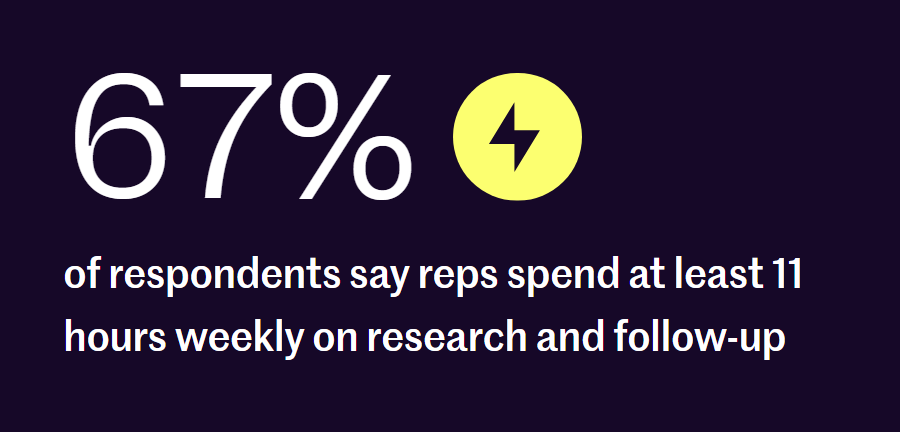
A useful benchmark comes from Orum's 2024 State of Sales Development report. Its survey of 1,000 sales leaders found that 67% of respondents said sales development reps spent at least 11 hours per week on research and follow up. That is a substantial amount of work that activity-only reporting can easily overlook.
Hidden costs and contractual details to check before signing
Even when a provider offers a fixed monthly fee, the total cost of running the programme can change. You need to understand what the agreement excludes and how additional requirements will be charged.
Ask whether discovery, strategy development, technical configuration, list building, and initial campaign creation are included. A provider may charge separately for initial setup. That isn't automatically a problem, but you should know about it before signing. Also establish what happens if the scope changes during onboarding.
Guaranteed meeting volume
Be careful with guaranteed meeting commitments. A provider may promise a fixed number of meetings without explaining how it defines a qualified appointment. The number alone tells you little about whether those prospects fit your ICP. Ask how targets are established and whether they are projections, contractual minimums or performance guarantees.
For a retainer, you should agree on performance indicators without treating projected meeting volume as guaranteed revenue.
This is one of the most important contractual details. Suppose an SDR books a meeting with a prospect who fits the company profile but doesn't attend. Does the agency replace the meeting? Does the appointment count towards the monthly target? Now consider a prospect who attends but turns out to have no relevant business need. Can your sales team reject the meeting?
Your agreement should define these situations before the campaign begins.
An SDR programme generally handles prospecting and initial qualification. Closing belongs to your internal sales team unless you have explicitly contracted for additional sales services.
Make sure the division of responsibilities is clear. Your account executives should own discovery, demonstrations, commercial discussions, negotiations and closing. The SDR provider should deliver qualified handovers and relevant prospect information.
If nobody owns the handover after a meeting, you risk losing opportunities that the outbound programme worked to create.
Establish who owns the prospect records, messaging assets, campaign data, and call recordings. Ask what information you can export when the engagement ends, subject to applicable data protection requirements. Also check the renewal terms, cancellation notice, minimum commitment, and process for reducing or expanding the scope.
The monthly fee is only one part of the financial decision. A lower quote may leave your marketing or sales team responsible for work that another provider includes. That time has a cost, even if it doesn't appear on the agency invoice.
Consider the following comparison:
These are possible exclusions to investigate, not charges that every provider applies.
Consider what happens when you choose a provider that supplies only an SDR.
Your internal marketing manager may need to build prospect lists. Someone from Sales might have to write messaging. Your RevOps team may need to configure the CRM and manage reporting. The agency fee could be lower, but your business still pays for those activities through internal resources.
The opposite can happen too. A fully managed programme might include tools and management that your company already has. In that case, you could be paying twice for the same capability.
The right arrangement depends on what your existing team can realistically handle.
The SDR retainer inclusions you agree to should be documented clearly before you commit to an agency. Get the scope in writing and use the checklist below when reviewing an agency proposal.
There isn't a standard number of hours that applies to every outsourced SDR engagement.
A provider should explain the actual capacity assigned to your programme. This includes working days, hours per day, time-zone coverage, prospecting time and management support.
If an agency advertises a dedicated SDR, ask what dedicated means in operational terms. Does the SDR work exclusively on your account? Are there other responsibilities? How much time goes towards research, calling, email follow-up, CRM updates and meetings?
You should also clarify whether management, reporting and technical work are included within the stated SDR capacity or supplied separately. Do not compare a full-time dedicated resource with a shared SDR arrangement using the same headline monthly fee.
If you're looking for a managed outbound programme, the Outsourced SDR service is designed to cover the operating work around your SDR team. It brings together the people, strategy, technology and reporting needed to run sales development outreach. This is particularly relevant for growing B2B technology and SaaS companies that have an existing sales function but need more consistent outbound execution.
The programme includes:
The delivery process follows six stages: Discovery, strategy, onboarding, execution, review and improve.
The programme goes live in 10 business days. First meetings typically take place within two to three weeks of launch. These are programme timelines, not guarantees of meeting volume or revenue. Your internal sales team remains responsible for closing. Whistle manages the agreed sales development programme and the prospecting work leading up to qualified meetings.
The two models solve different problems. Your decision should reflect the amount of outbound work you need managed.
A retainer makes more sense when you need the provider to manage the activities behind outbound, including research, messaging, technology and optimisation. Pay-per-meeting can suit a business with an established outbound strategy, a narrow ICP and a clearly defined meeting qualification process. You should still examine how the provider sources prospects and validates appointments.
For companies switching agencies because outbound isn't producing, the retainer's value lies in being able to examine and improve the entire programme. You can investigate targeting, data quality, channel performance and messaging rather than looking only at the number of meetings delivered.
Whistle is worth considering if:
Whistle also offers a separate Hire SDRs service for businesses that need an individual sales development rep and have the internal management capacity to support one. These are different arrangements. This offer supplies the SDR, while Outsourced SDR provides the managed programme around sales development.
If you're evaluating what the monthly SDR agency fee includes, start by comparing the actual work, resources and reporting in each proposal.
Book a meeting with Whistle to discuss your current outbound setup, the support you need and whether Whistle is the right fit.
What is included in an SDR retainer?
An SDR retainer generally covers an agreed set of sales development services for a recurring monthly fee. Depending on the provider, this can include SDR resources, management, ICP development, prospect research, contact data, multi-channel outreach, messaging, technology, meeting qualification and reporting.
What should an outsourced SDR retainer include?
A fully managed programme should cover the work required to run outbound, not just the SDR's time. Look for defined responsibilities across strategy, prospecting, outreach execution, management, CRM support and performance reporting.
How many hours should an SDR work on a monthly retainer?
There is no universal hourly allocation. Ask whether the resource is dedicated or shared, how many working hours are allocated, which time zones are covered and how much time is reserved for prospecting, follow-ups, research and administration.
Is a monthly SDR retainer better than pay-per-meeting?
A retainer generally suits businesses that need ongoing outbound execution, strategy and optimisation. Pay-per-meeting may suit companies with a narrow ICP and established qualification process. Compare the complete scope before deciding.
Does an SDR retainer include lead generation and prospect data?
It depends on the provider. Some include prospect research, list building, data enrichment and verification, while others expect clients to supply contact lists or purchase additional data subscriptions. Get the inclusions confirmed in writing.
Does an outsourced SDR agency handle closing deals?
Usually, the client's sales team handles discovery, negotiations and closing. The outsourced SDR team focuses on prospecting, initial qualification and meeting handover. If you require closing support, it must be explicitly included in the agreement.
What should you measure when evaluating an SDR retainer?
Track target account coverage, data quality, outreach activity, positive replies, qualified meetings, attendance, sales acceptance and opportunities created. Review these metrics alongside feedback from account executives to understand whether the programme is producing relevant sales conversations.