
B2B Insights

Lauren Daniels
May 6, 2026

The 2026 SDR role did not disappear when AI entered the market. It became more demanding.
The early narrative suggested automation would remove the need for sales development altogether. Instead, it raised the standard. The gap between average and high-performing reps widened, not narrowed.
AI tool adoption among sales development teams increased from 10 percent in 2021 to 78 percent in 2026, according to Tenbound community benchmarks. At the same time, signal-triggered outreach began outperforming cold sequences by 40 to 60 percent in meeting set rates across hundreds of client programmes.
This shift did not simplify the role. It changed what matters.
This breakdown draws on data from hundreds of SDRs to show what has actually changed between 2021 and 2026, and what now separates consistent performers from everyone else.
Multichannel outreach was already established by 2021, with 58 percent of SDRs preferring a mix of email, phone, and LinkedIn. That baseline has not changed.
What has changed is what sits behind the outreach.
In 2021, multichannel execution itself was often enough to stand out. Many teams were still relying heavily on single-channel strategies, so simply showing up across multiple touchpoints created an advantage. By 2026, that advantage will have disappeared. Multichannel is now expected. It is the entry point, not the differentiator.
The distinction now lies in timing and context.
Top-performing SDRs in 2026 are not defined by how many channels they use, but by how precisely they align outreach with real-world signals. They understand that outreach without context is just noise, regardless of how many platforms it touches.
Signal-triggered sequences, driven by job changes, funding events, intent spikes, or technology adoption, outperform cold outreach by a significant margin. The difference is not marginal. It consistently falls between 40 and 60 percent in meeting conversion rates.
This is not only about having access to signals. Most teams now have access to the same data sources. The advantage comes from interpretation.
Two SDRs can see the same trigger event and take entirely different actions. One sends a generic message referencing the signal. The other connects that signal to a clear business implication and reaches out with a reason that feels immediate and relevant. The difference in response rates reflects that gap in thinking.
There is also a sequencing implication. Signal-driven outreach changes not just the first message, but the entire cadence. Follow-ups become more contextual, channel selection becomes more intentional, and the overall narrative of the outreach feels coherent rather than repetitive.
Multichannel is how you reach someone. Signal interpretation is why that moment matters, and increasingly, why a prospect chooses to respond at all.
In 2021, only a small portion of SDRs used AI tools daily, and those that did relied on basic functionality such as email assistance or dialling support.
By 2026, AI adoption had become standard. Nearly four in five SDRs now use AI tools daily, including sequence assistants, enrichment platforms, and intent data systems.
This level of adoption did not automatically lead to better results.
The difference lies in how those tools are used. SDRs who rely on AI to generate volume often produce the same type of outreach that buyers have learned to ignore. The output increases, but the impact does not.
High-performing SDRs take a different approach. They use AI to refine judgment rather than replace it. Tools are used to identify buying signals, prioritise accounts, and shape more relevant outreach.
The result is not just more activity, but better conversion.
In 2021, time was the main constraint. SDRs struggled to balance prospecting volume with meaningful research and personalization. Gathering context on a prospect often required switching between tools, piecing together fragmented information, and making quick assumptions under pressure.
AI removed much of that friction. Information that once required hours to compile can now be surfaced in seconds, often pre-structured and ready to use. Company insights, recent activity, and even suggested messaging angles are now readily available.
The constraint did not disappear. It moved.
The challenge in 2026 is no longer finding information. It is deciding what that information means and whether it should change your approach. SDRs are now expected to interpret signals, assess intent, and determine whether a prospect is in a genuine buying window or simply generating noise.
This introduces a different type of complexity.
More data does not automatically lead to better decisions. In many cases, it creates more ambiguity. Multiple signals may point in different directions, and not all of them carry equal weight. Knowing what to prioritise, what to ignore, and how to translate that into a clear outreach angle is where performance is now determined.
Judgment has replaced research as the core difficulty of the role. It is also less visible, harder to train, and more difficult to standardise across teams. Yet when applied well, it creates a level of relevance that cannot be replicated through automation alone.
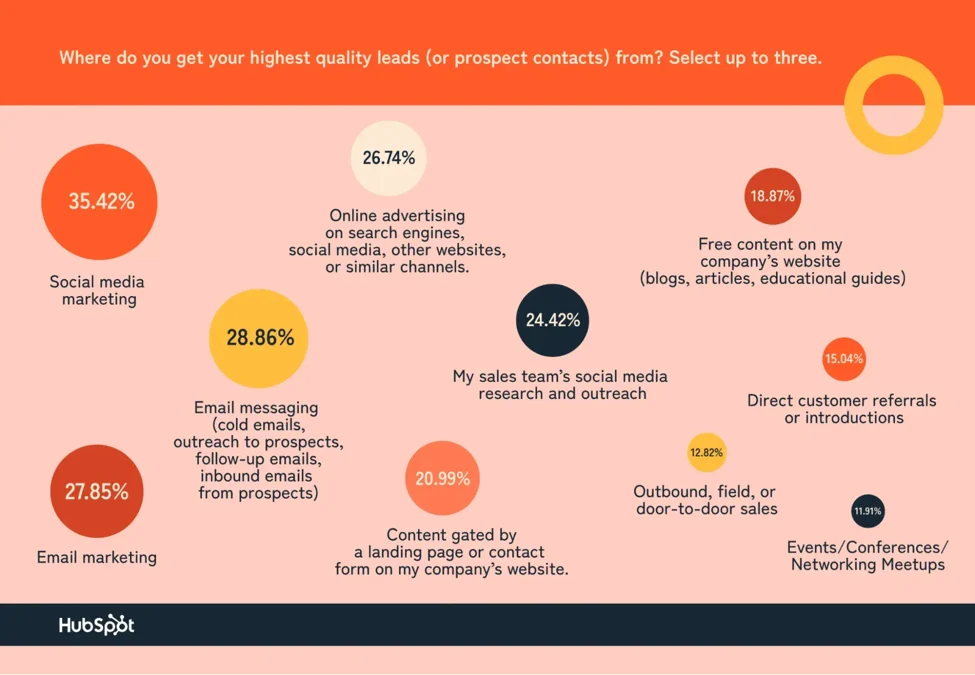
The core motivations for SDRs have remained consistent. Learning and financial reward continue to drive performance, just as they did five years ago. Ambitious reps still want to improve, progress, and be recognised for results.
What has changed is what learning looks like.
In 2026, high-performing SDRs are not only focused on refining sales fundamentals such as messaging, objection handling, and pipeline management. They are equally focused on understanding the systems that shape their day-to-day work. This includes how signals are generated, how intent data is interpreted, and how tools prioritise accounts and actions.
This shift reflects a broader change in how the role is perceived. SDRs are no longer just executing outreach. They are operating within a system that influences who they contact, when they reach out, and how they frame conversations.
For many high performers, curiosity about these systems becomes a competitive advantage. Reps who understand how tools work can challenge assumptions, spot gaps in data, and make more informed decisions about where to focus their time.
This has clear implications for retention.
Sales teams that invest in AI literacy, rather than simply providing access to tools, see stronger adoption and lower turnover. Reps who understand their environment are more confident in their decisions, more consistent in their performance, and more likely to stay and develop within the team.
In 2021, the hardest parts of the SDR role were research, personalization, and objection handling. These were the areas that required the most effort and the most skill.
By 2026, a different problem has taken the lead.
AI has made it easier to produce outreach at scale, which has resulted in a sharp increase in the volume of messages reaching buyers. Much of this outreach is technically correct but lacks substance. It references surface-level information, follows familiar patterns, and often feels indistinguishable from other emails in the inbox.
This has reshaped buyer expectations.
Prospects are more selective about where they invest attention. Messages are filtered quickly, often within seconds, and anything that feels generic is dismissed just as quickly. Engagement drops not because buyers are less interested in solutions, but because they are less willing to engage with outreach that does not feel credible.
For SDRs, the challenge is no longer volume. It is credibility.
Every message now carries an implicit test. Does this feel considered, or does it feel automated? That judgment happens almost instantly, and it determines whether a conversation has any chance of starting.
This raises the standard for what good outreach looks like. It is no longer enough to be accurate or well-structured. The message must demonstrate clear intent, a relevant point of view, and a reason for reaching out that holds up under scrutiny.
In this environment, standing out is not about being louder. It is about being more precise.
Concerns about AI eliminating the SDR role were widespread in 2021. Many expected automation to replace early-stage sales activity altogether, reducing the need for dedicated prospecting functions.
In practice, the opposite has happened.
The role still exists, but the expectations have changed. More than 85 percent of SDRs now see the position as a strong career path, up from 80 percent in 2021. That increase reflects not just stability, but a growing recognition that the role has become more strategic.
AI did not remove the role. It removed the margin for mediocrity.
Tasks that once allowed average performance, such as basic research or templated outreach, are now easily replicated by tools. What remains is the work that requires judgment, context, and adaptability in a more meaningful sense.
SDRs who rely on generic outreach struggle to compete in this environment. Those who can interpret signals, personalise effectively, and manage more complex, multi-layered outreach sequences are more valuable than before, particularly in teams that prioritise quality over volume.
The role did not shrink. It sharpened. It now demands a higher level of thinking, but in return, it offers a clearer path for those who can meet that standard.
Adaptability was considered the most valuable SDR skill in 2021, supported by resilience and a positive attitude.
These qualities still matter, but they are no longer differentiators.
The defining skill in 2026 is the ability to interpret signals and apply that understanding to outreach decisions. This includes assessing intent data, recognising patterns in prospect behaviour, and tailoring communication accordingly.
This is not a single skill. It sits at the intersection of data literacy, empathy, and commercial awareness.
Teams that can develop this capability consistently are seeing faster progression and stronger retention among top performers.
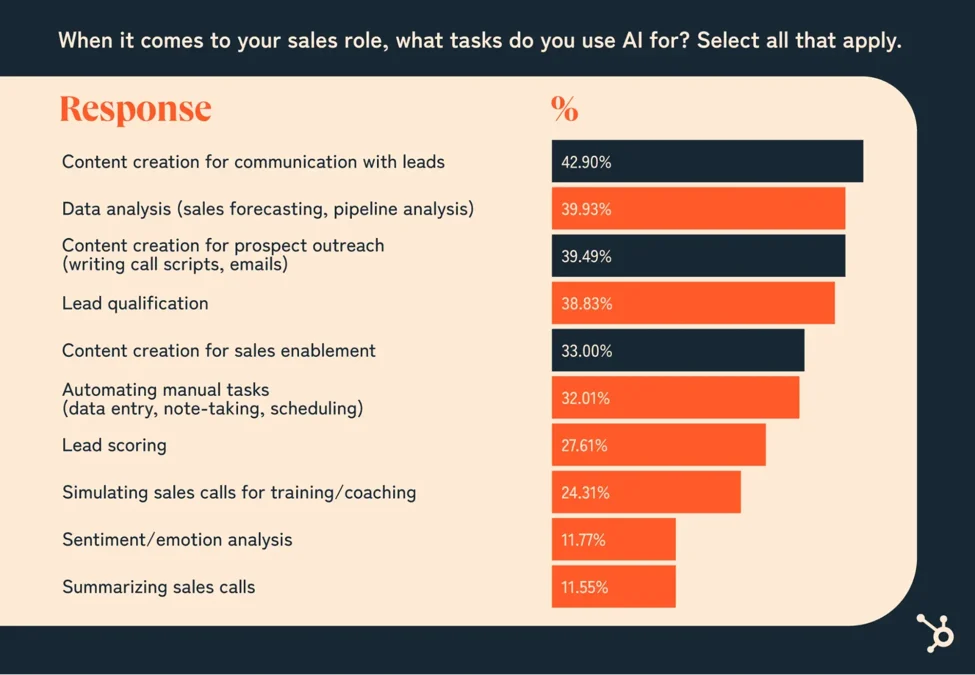
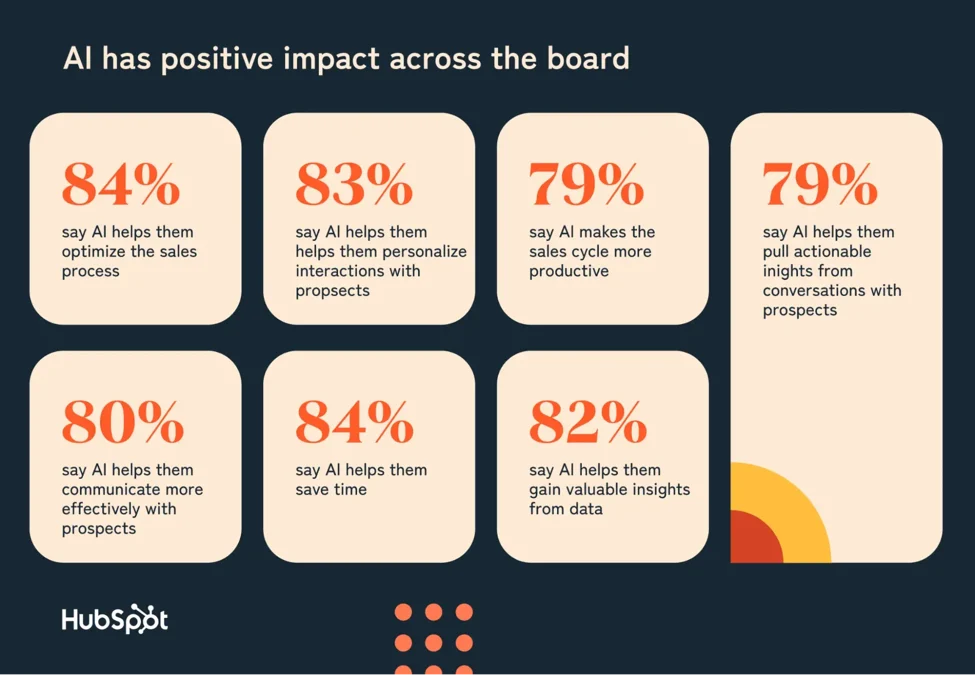
Job satisfaction in 2026 is increasingly tied to how well SDRs integrate AI into their workflow.
Reps who use AI effectively report higher satisfaction levels. They spend less time on repetitive tasks and more time engaging with prospects. Performance improves, and burnout decreases.
For those who do not adopt AI, or use it superficially, the experience is different.
They are competing against peers who operate faster and more efficiently. The gap in output and results becomes difficult to ignore.
This creates a clear divide within teams. Adoption is no longer optional. It directly impacts both performance and experience.
In 2021, most SDR interactions were neutral, with a smaller portion described as positive.
By 2026, that balance has shifted, particularly in industries heavily exposed to AI-driven outreach.
Buyers in sectors such as SaaS, financial services, and healthcare technology are more sceptical. They have seen enough automated outreach to recognise it quickly.
As a result, response rates have become more difficult to maintain.
At the same time, the ceiling for strong performance has increased.
SDRs who focus on identifying genuine interest, rather than forcing engagement, are still achieving strong results. Signal-triggered outreach allows them to enter conversations at the right moment, which offsets the broader decline in baseline response rates.
In 2021, the typical progression for SDRs followed a predictable path toward account executive roles or sales management.
In 2026, that path has expanded.
Sales development now feeds into a wider set of roles, including revenue operations, AI systems management, demand generation, and programme leadership.
This reflects a broader shift in how the role is perceived.
The SDR position is no longer just an entry point into sales. It is a foundation for understanding how modern revenue systems operate, including the technology that supports them.
Top performers are not only developing sales skills. They are learning how the entire acquisition process works.
Sales leadership expectations must evolve alongside the role.
Focusing on activity metrics such as call volume or email count no longer provides meaningful insight into performance. Output without context is increasingly irrelevant.
Instead, attention should shift toward signal quality and conversion. Understanding whether outreach is aligned with real buying intent is far more valuable than measuring how much outreach is sent.
Leaders should also invest in training that develops judgment. Reps need to understand not only how to use tools, but how to interpret the data those tools provide.
Finally, the structure of teams must reflect the reality of the role. The cognitive load on SDRs has increased, even if manual effort has decreased. Supporting that shift is essential for both performance and retention.
The prediction that AI would eliminate the SDR role has not held up.
Instead, the role has evolved. The expectations are higher, the work is more complex, and the gap between average and exceptional performance has widened.
The SDRs succeeding in 2026 are not those who adopted AI the fastest. They are the ones who learned how to think more effectively with it.
Understanding when signals matter, why messages resonate, and how to engage prospects at the right moment remains central to sales development.
AI has not replaced that skill. It has made it more visible.
For many teams, the challenge is not access to AI or data. It is turning both into a consistent, repeatable approach that actually improves outcomes.
That requires more than tools. It requires structure, clear signal interpretation, and a way to translate insight into outreach that feels relevant at the moment it lands.
At Whistle, that thinking is built into how sales development programmes are designed and executed. The focus is not on increasing activity, but on improving the quality of every touchpoint so that outreach leads to meaningful conversations, not just noise.
If your team is using AI but not seeing a clear impact on pipeline, it may be time to rethink how it fits into your sales development strategy.