
B2B Insights

Lauren Daniels
May 14, 2026

Enterprise sales vs SMB sales require fundamentally different approaches. SMBs make decisions within 2-90 days, with single decision-makers controlling 98% of tech purchases, while enterprises average 6.8 stakeholders and sales cycles that stretch from months to years. SMBs prioritize cost-efficiency, ease of use, and immediate results, with 47% focused on stability and productivity improvements. Enterprises focus on scalability, integration with existing systems, and long-term ROI.
SMB sales uses quick pitches, free trials, and direct messaging to emphasize immediate benefits. Enterprise sales require consultative approaches, relationship-building across departments, and detailed content, including case studies and white papers, with decision-makers reviewing 2-5 content pieces during buying cycles. The distinction is not merely size but fundamental differences in pain points, buying journeys, and success metrics.
Your VP asks whether the new product should target SMBs or enterprises first. The question assumes both segments buy the same way. They do not.
SMBs make tech buying decisions in 2-90 days, often based on single demos. Enterprises take months to years, involving multiple departments and approval layers. Building a sales motion that works for one segment typically fails in the other.
Here is the side-by-side breakdown.
Small businesses employ fewer than 100 people and generate under $50 million annually. Mid-sized businesses run 100-999 employees with $50 million to $1 billion in revenue. Enterprises exceed these thresholds.
The definitions matter less than the operational differences they create.
SMBs focus on cost-efficiency, simplicity, and quick results. They need solutions that are affordable, simple to implement, and provide immediate value. 47% prioritize achieving stability and profitability, while another 47% want productivity gains through workflow improvements.
Enterprises face complex operational challenges, scalability issues, and integration requirements. They evaluate solutions based on how well they address large-scale problems and deliver measurable ROI across multiple departments.
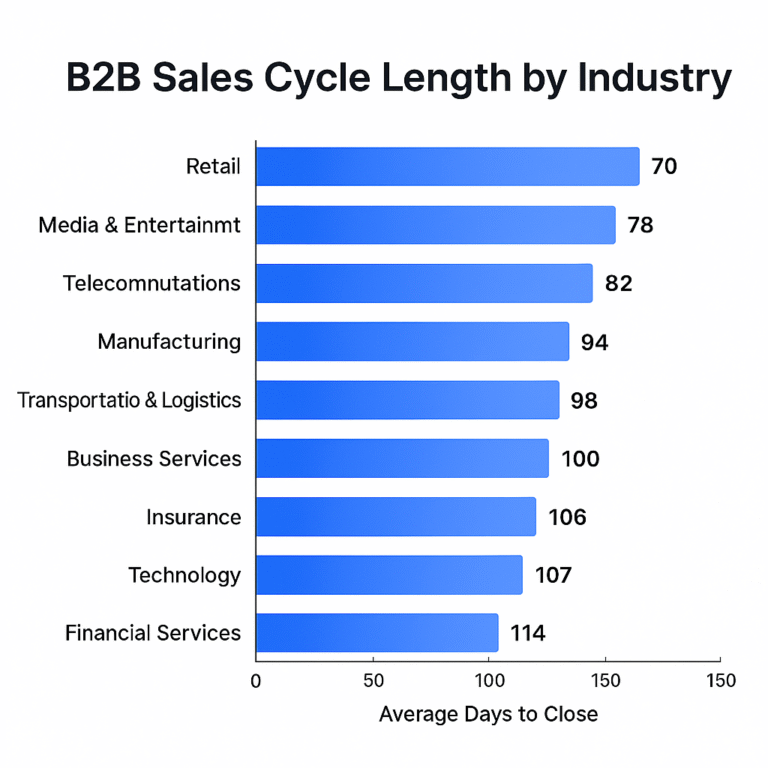
SMB sales cycles run 2-90 days from initial contact to purchase, following straightforward paths. Decisions often happen after a single demo or trial period.
Enterprise sales cycles span months to years. The buying journey involves multiple stages, including detailed needs assessments, product demonstrations, and extensive negotiations, with reviews and approvals from different departments.
The timeline difference is not inefficiency. It reflects fundamentally different risk profiles and implementation complexity.
SMB decisions rest with business owners or small management teams, with CEOs making 98% of technology buying decisions. Although some tasks may be delegated, final approval comes from one person.
Enterprise decisions require consensus from an average of 6.8 stakeholders, including executives, department heads, IT managers, and procurement teams. Each stakeholder has specific concerns and evaluation criteria tied to their department's needs.
This is why enterp
rise deals stall. You convince IT, then finance wants different proof points, then legal raises compliance questions, then procurement renegotiates terms. The cycle repeats until all stakeholders align.
SMBs prioritize short-term benefits, including cost savings, operational simplicity, and ease of use. They focus on time-to-value: the period between decision-making and deployment. Immediate impact and tangible benefits drive purchase decisions.
Enterprises centre priorities on long-term strategic goals, including efficiency improvements across large teams, enhanced data security, market share gains, and recurring revenue models. They evaluate ROI, compliance, and scalability while assessing how solutions align with broader business direction.
The distinction: SMBs ask, "Does this work now?" Enterprises ask, "Does this work at scale for the next three years?"
SMB messaging should be direct and emphasize ease of use, cost-effectiveness, and immediate benefits. Content should be simple: product overviews, quick-start guides, and customer testimonials. SMBs research like consumers, relying heavily on internet searches and reviews, valuing clear explanations of business value.
Enterprise messaging must focus on complex solutions, ROI, and strategic benefits. Content should be detailed, including case studies, white papers, and in-depth product information addressing specific business challenges. Decision-makers typically review 2-5 pieces of content during the buying cycle.
An SMB prospect wants to know if your product solves their problem this quarter. An enterprise prospect wants to know if your product fits their five-year infrastructure roadmap.
SMB sales tactics involve quick, persuasive pitches, offering free trials or demos, and emphasizing customer support. Sales teams use straightforward approaches to demonstrate value quickly and close deals efficiently. SMBs utilize a mix of inbound and outbound channels, with paid and organic search aligning to information-seeking behaviours, supported by email marketing and personalised calls.
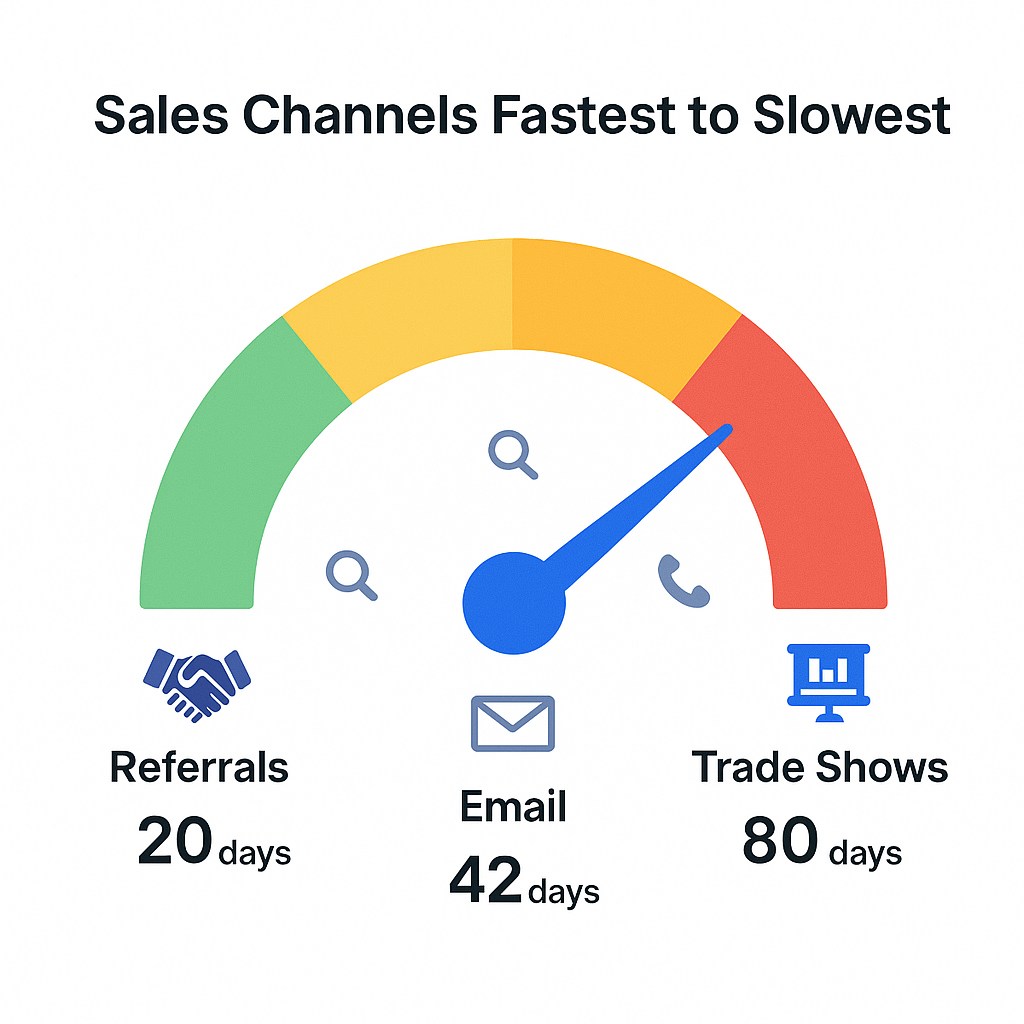
Enterprise tactics include a consultative sales approach, personalised demonstrations, and tailored solutions. Building relationships with multiple stakeholders and providing extensive support throughout the sales process is crucial. Enterprises employ similar channels but focus on nurturing leads through multiple touchpoints and rich content portfolios.
The tactical shift: SMB sales are transactional with consultative elements. Enterprise sales are relationship-driven with transactional moments.
Selling to SMBs and enterprises requires more than scaling your sales strategy. Each segment demands a tailored approach aligning with specific needs and characteristics.
Your SMB motion cannot simply "move upmarket" to enterprises. The buyer journey, content requirements, stakeholder complexity, and sales cycle expectations are fundamentally different. Teams trying to serve both segments with the same playbook typically underperform in both.
The choice is not which segment is better. The choice is which segment your product, pricing, and go-to-market resources are built to serve.
For sales development teams building outbound motions for either SMB or enterprise targets, Whistle provides training frameworks that teach SDRs how to adapt qualification questions, multi-touch cadences, and conversation approaches based on prospect segments. Our methodology emphasizes understanding these structural differences not as obstacles but as design constraints that shape effective outreach sequences, ensuring your team asks the right discovery questions for single decision-makers versus buying committees, delivers appropriate content at each stage whether selling to cost-conscious SMBs or ROI-focused enterprises, and maintains systematic follow-up adapted to 30-day SMB cycles or 12-month enterprise negotiations through professional persistence that respects buyer preferences while building genuine relationships regardless of company size.