

B2B Insights

Choosing the Right B2B Sales Data Provider in 2026

Lauren Daniels

June 26, 2026

The B2B data provider you choose directly impacts how many calls connect, how many emails land, and whether your SDR team stays engaged. Most teams pick wrong because they chase database size or trust vendor demos instead of testing with real outreach. The actual decision comes down to three questions: Does it work in your geography? Does it integrate into how your reps actually prospect? Can you afford it without it becoming a budget problem? No single provider excels everywhere. 

The tool that gives the broadest coverage will lack the accuracy your niche ICP needs. The most accurate provider will cost too much for a five-person team. Because of these gaps, most SDR teams operate with two providers: a core platform plus a regional or specialist backup. Before committing to annual contracts, pilot new providers with your strongest reps using your actual ICP. 

Track one metric: how many meetings landed per 100 contacts reached? If that number matches what you need to hit pipeline targets, it fits. If not, move on. Regional coverage, compliance requirements, workflow integration, and pricing flexibility all matter. But they matter differently depending on whether you sell into Fortune 500 companies or SMBs, whether your motion is email-heavy or call-heavy, and whether you operate in regulated sectors. The cheapest option is rarely the best. The most expensive option rarely justifies its cost. The right choice is the one that returns meetings at a cost your pipeline can support.

Your SDR sits down at 9 AM with a list of 50 prospects. By 10:30 AM, they have connected with two people and booked one call.

By 11 AM, they are still working through the list, but momentum has slowed. By lunch, they have reached four people. One declined, one said to call back in six months, and the other two did not pick up.

Now ask yourself: was it bad messaging, bad timing, or bad data? Often it is the data.

The quality of your SDR team's data directly impacts connect rates, conversions, and pipeline. Bad data is expensive since it wastes dials, burns time, and damages morale.

Choosing the right B2B sales data provider is not about finding the biggest database. It is about finding the provider that delivers usable contacts in your market at a price that makes sense for your stage.

Here is how to make that choice.

Why Most Teams Pick the Wrong Data Provider

Most B2B data providers look great in a demo. Then they fall apart after one week of real use.

Why? Because your business use case is messy. Titles change weekly. Regions vary. Compliance rules tighten. And your team defaults to the tool they are already comfortable with, even if it is not the best fit.

When you pick a sales data provider, you are not just buying a database. You are choosing a partner for how your SDR team sources, verifies, and acts on prospect information every single day.

The wrong choice means:

  • Reps waste time on dead numbers and bounced emails
  • Bounce rates climb above 5%, damaging your domain reputation
  • Your team stops trusting the data, and prospect quality suffers
  • You pay for seats and features you do not use
  • Data is stale or incomplete, forcing manual research

The right choice means:

  • Reps reach decision-makers faster
  • Bounce rates stay under 5%, protecting the sender's reputation
  • Your team trusts the data and executes with confidence
  • You pay for what you actually need
  • Data flows seamlessly into your CRM and outreach tools

Pillars of Data Provider Fit

When evaluating a B2B sales data provider, six pillars kept coming up across RevOps leaders:

1. Data Accuracy: Are the emails valid? Do the phone numbers connect? Are job titles current?

This is not theoretical. Cognism, for example, reports an 87% connection rate across phone and email, meaning when an SDR dials or emails, the person answers or reads it.

2. Regional Coverage: Does the vendor go deep where your market actually is? A provider with great US coverage but weak EMEA data does not help if half your ICP is in Europe.

3. Compliance: Are you safe in areas with strict data laws like the EU or California? GDPR and CCPA violations carry real penalties.

4. Filter Depth: Can you target exactly who you want, or just close enough? The difference between finding sales directors and finding sales directors at SaaS companies with 50-200 employees growing 30% year-over-year is the difference between noise and signal.

5. Workflow Speed: How easily does data flow into your tools and sequences? If your SDR exports a list from the provider, uploads it to their CRM, manually adds it to a sequence, and then sends it, that is friction. Friction kills adoption.

6. Price: Does the cost match your stage, scale, and ROI expectations? Annual spend typically ranges from $1,000 to $10,000+ per rep, depending on tool choice.

Each of these matters, but not equally for every team. A fintech startup in Berlin needs different guardrails than a fast-growing SaaS team in Texas. A lean five-person SDR team has different priorities than a 100-rep outbound machine.

The Reality: Most Teams Use Multiple Providers

No single provider does it all equally well.

Most high-performing teams run a two-tool setup: one core provider that covers their primary market, plus a regional or specialty backup that fills gaps. This approach costs more upfront but delivers better overall coverage and higher connection rates.

For example:

  • A US-first SaaS team might use ZoomInfo as their core provider (deep US coverage, strong firmographics) plus Kaspr for their small but growing EMEA segment (LinkedIn-first, GDPR-friendly)
  • A European team might use Cognism as their core (GDPR-first, phone-verified data) plus Lusha as a lightweight backup for rep-led prospecting
  • A rapidly scaling Series B team might use Apollo as their primary (high-volume, built-in sequencing), but pipe high-value accounts through a secondary enrichment layer for added precision

This hybrid approach reduces the risk of relying on a single provider and accounts for regional differences in data quality and coverage.

Breaking Down Top Providers

B2B Data Provider Comparison

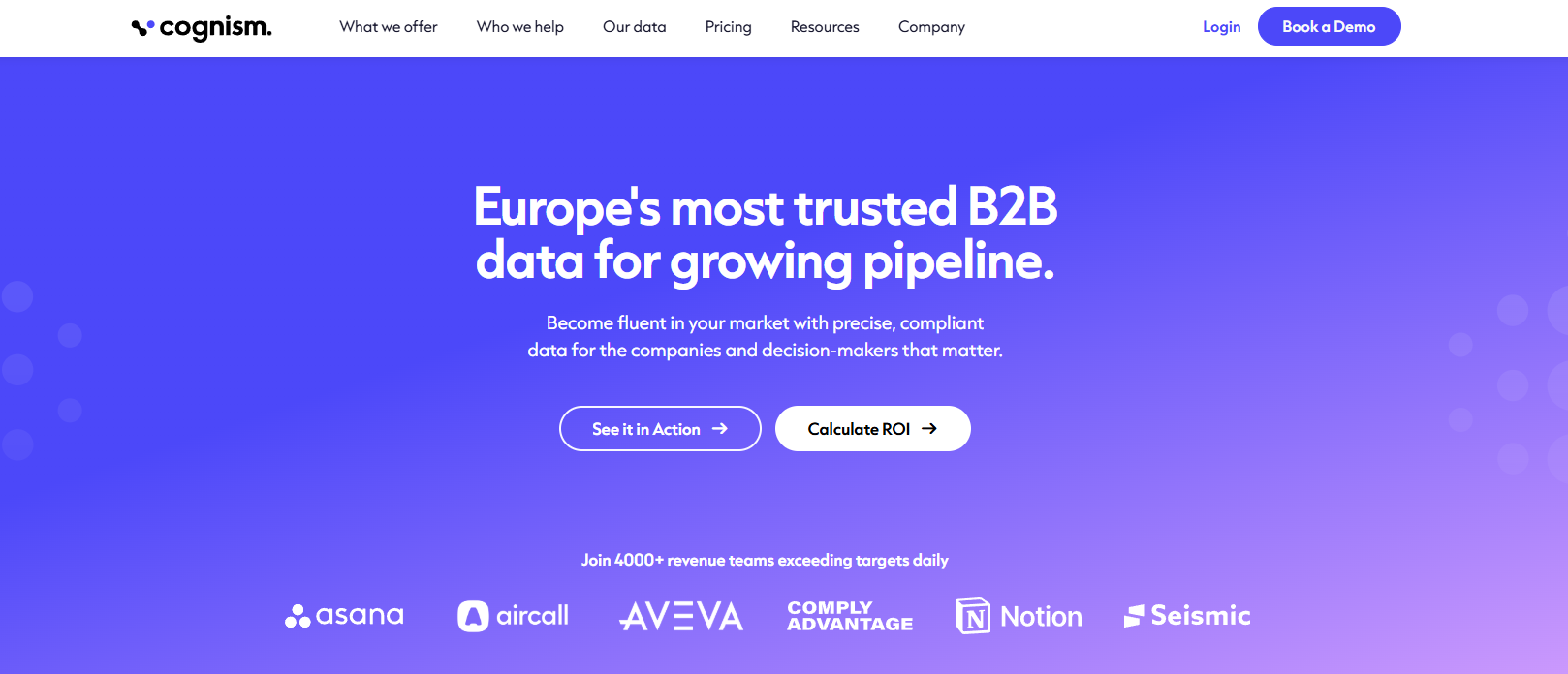
Cognism: The Gold Standard for Compliance and Connection Rates

Best for: Multi-region teams that need compliant mobile reach for calling

Cognism earned its reputation by prioritising accuracy and compliance from the ground up. It reports an 87% connection rate across phone and email, which is exceptional in an industry where 5% bounce rates are considered acceptable.

For teams operating in regulated sectors (fintech, healthcare, enterprise software) or across multiple regions, Cognism's GDPR-first architecture and phone-verified mobile numbers justify the premium cost. You are paying for the highest-quality outreach data in your target markets.

Downside: Cognism pricing fits mid-market and enterprise budgets. If you sell only in one region or run email-only outbound, you may be paying for features you do not use.

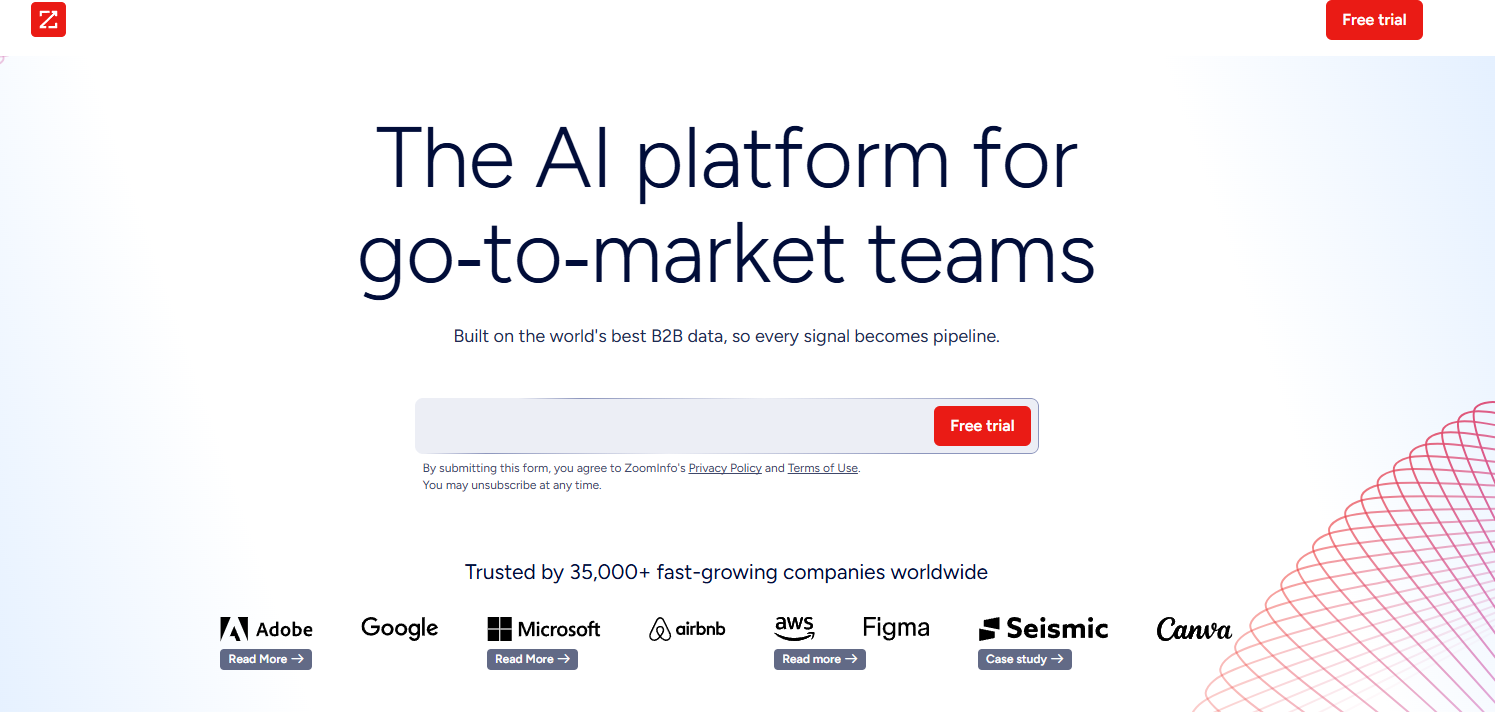
ZoomInfo: US Data Depth and Intent Signals

Best for: US-focused teams building ABM strategies and needing advanced segmentation

ZoomInfo still dominates in US data breadth and rich firmographic/technographic detail. The addition of intent layers helps teams identify accounts in-market right now, not just contacts that exist in a database.

ZoomInfo excels in targeted list building. You can filter by industry, headcount, revenue, tech stack, recent funding, hiring patterns, and custom fields. For sales leaders building tightly segmented account lists, this precision is valuable.

Downside: ZoomInfo pricing climbs quickly once you add intent data, enrichment credits, and multiple seats. Coverage outside North America is less reliable than Cognism or Apollo.

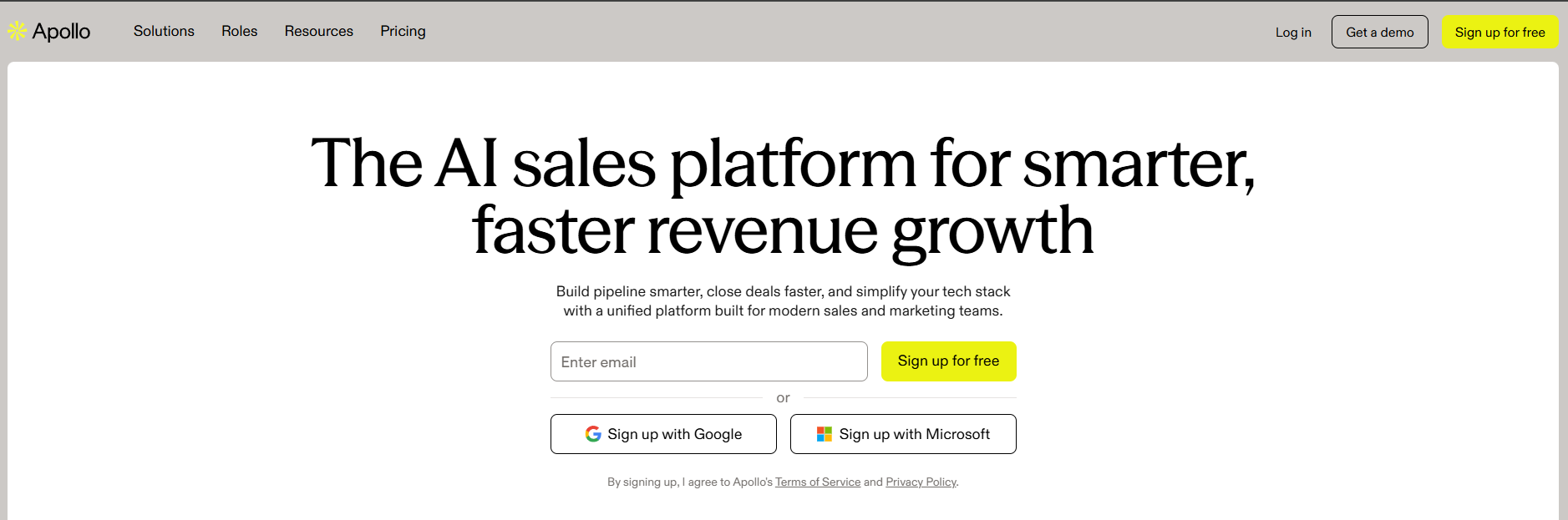
Apollo: The All-in-One for Speed and Volume

Best for: Series A-B SaaS teams running high-volume outbound campaigns

Apollo combines a large contact database with built-in sequencing, calling, and CRM sync. For teams that want speed over precision, launching high-volume campaigns with minimal tool stitching, Apollo is hard to beat.

The platform lives up to its all-in-one positioning. Your SDRs can search for prospects, build sequences, dial directly, and sync results to Salesforce without leaving the platform. This reduces friction and speeds up campaign setup.

Downside: All-in-one trade-offs mean less customisation. Teams with strict governance requirements or highly niche ICPs may find Apollo's targeting less precise than that of specialist providers.

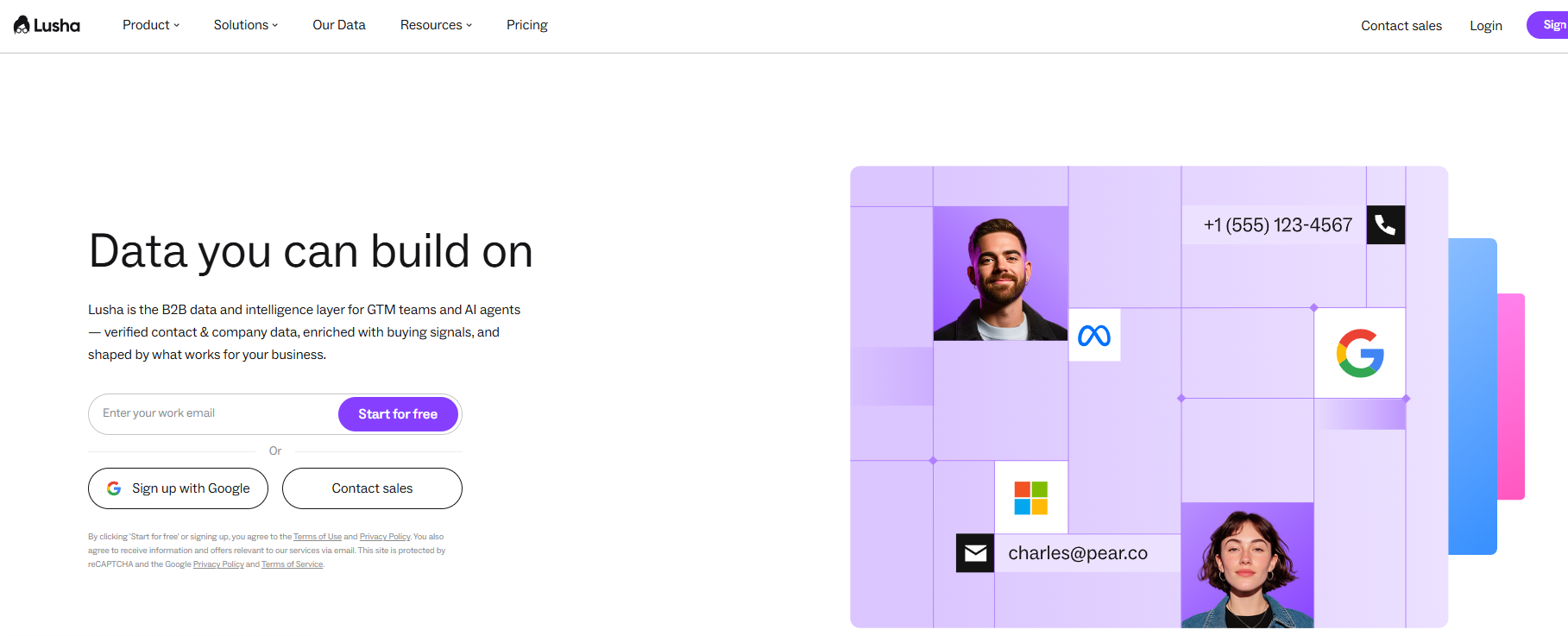
Lusha: EMEA-First, Rep-Led, Low Friction

Best for: EMEA teams relying on direct dials and Chrome extension workflows

Lusha carved out a strong position in Europe by building specifically for how reps actually prospect: browsing LinkedIn, grabbing a direct dial, sending an email, and moving on.

The Chrome extension workflow reduces adoption friction. Your SDRs do not need to log into another system or export lists. They grab what they need while they prospect.

Downside: Lusha coverage is patchy outside EMEA. For teams spanning regions, it works best as a secondary tool for your European segment rather than a primary provider.

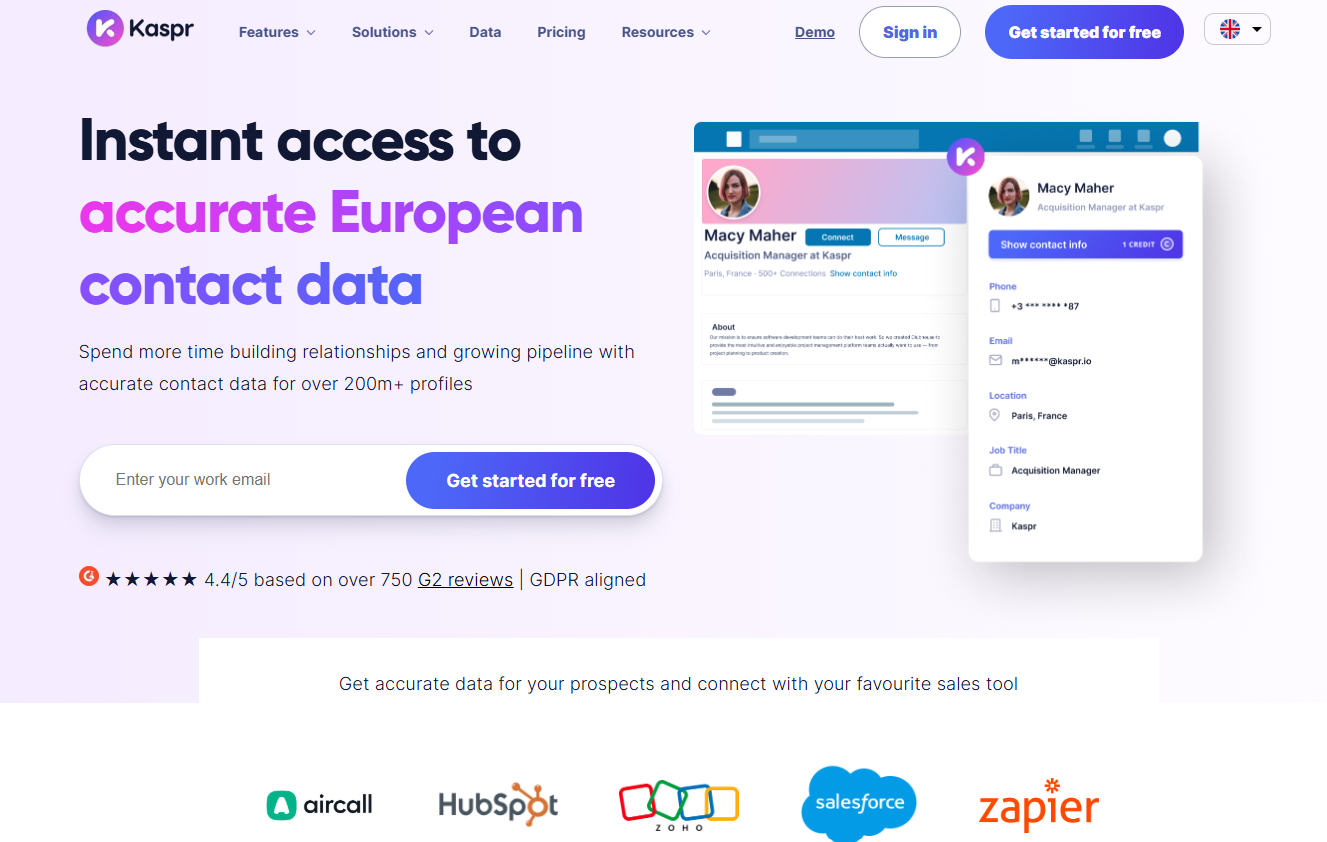
Kaspr: Budget-Conscious EU Option

Best for: SMBs and small teams in Europe that need GDPR-compliant data without enterprise pricing

Kaspr delivers respectable EMEA coverage at a fraction of what Cognism or ZoomInfo costs. For young companies or bootstrapped teams, it punches above its weight on cost-to-quality.

The LinkedIn integration is smooth, and phone number accuracy is solid for direct dials. Setup overhead is minimal.

Downside: Kaspr lacks intent data, technographics, and advanced segmentation. It works best as a rep-led prospecting tool, not as a system for building complex ABM campaigns.

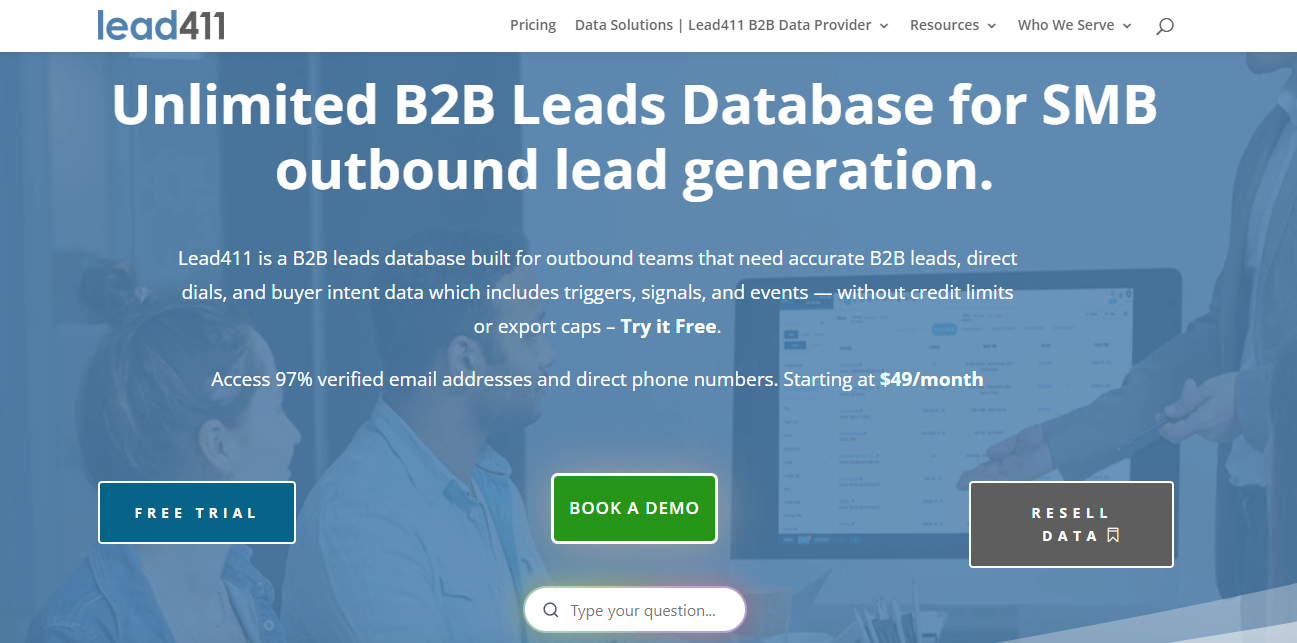
Lead411: US SMB Starter Option

Best for: Smaller US teams wanting cost-effective data with trigger-based prioritisation

Lead411 combines contact data with trigger and intent-style signals to help reps focus on higher-likelihood accounts. For SMBs and first-time outbound teams, it offers decent coverage without the enterprise price tag.

Downside: Dataset depth and enrichment capabilities do not match enterprise tools. Niche ICPs may find coverage gaps.

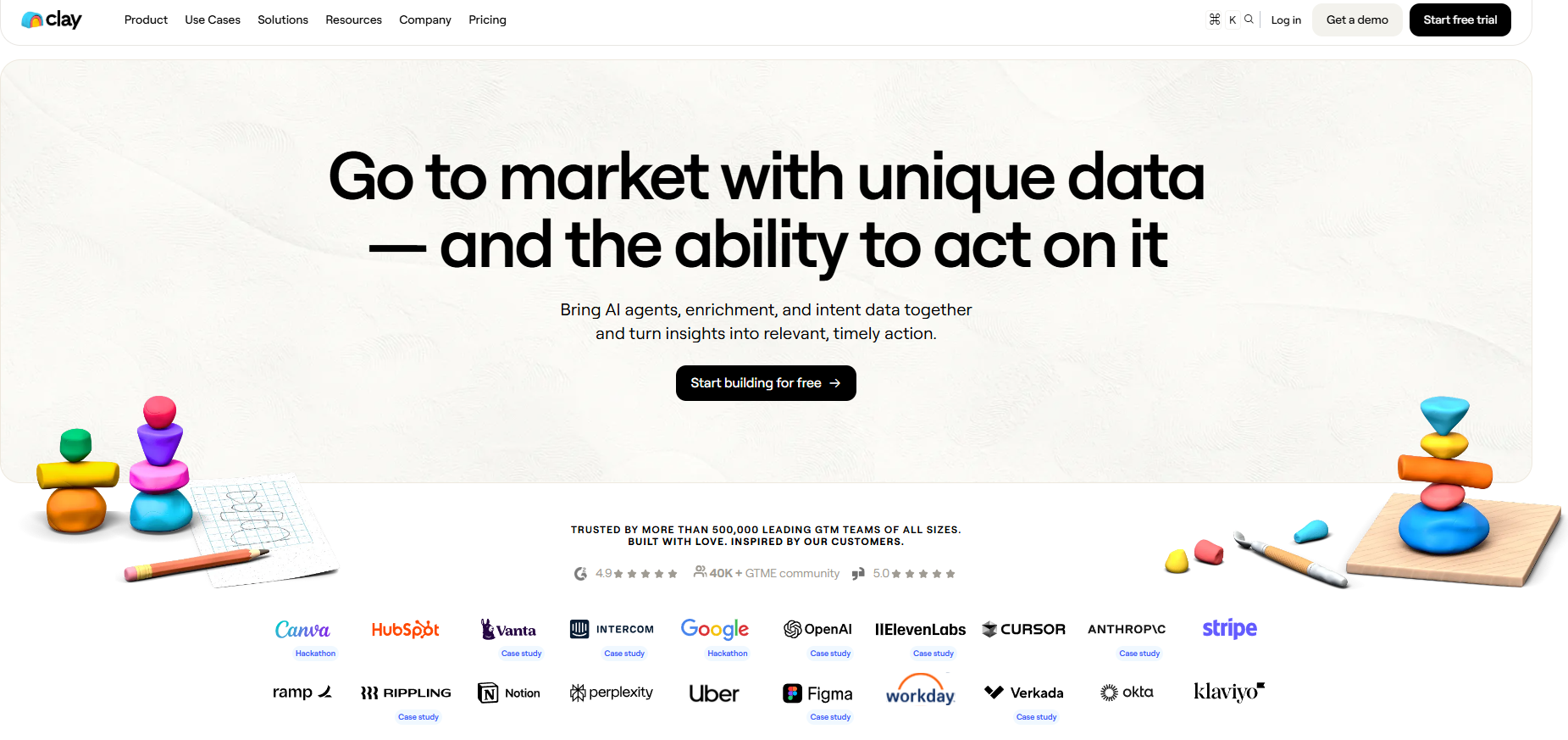
Clay: RevOps Workflow Control

Best for: Teams that want custom enrichment workflows across multiple data sources

Clay is not a traditional data provider for SDRs. It is a data workflow platform. You connect it to multiple providers (ZoomInfo, LinkedIn, Apollo, etc.) and build custom enrichment logic around them.

For RevOps leaders treating data enrichment as a repeatable, standardised process, Clay offers unmatched control. You can blend sources, set up rules, deduplicate, standardise fields, and route prospects automatically.

Downside: Clay has a learning curve and is not an outreach tool itself. You still need separate systems for sequencing and sending.

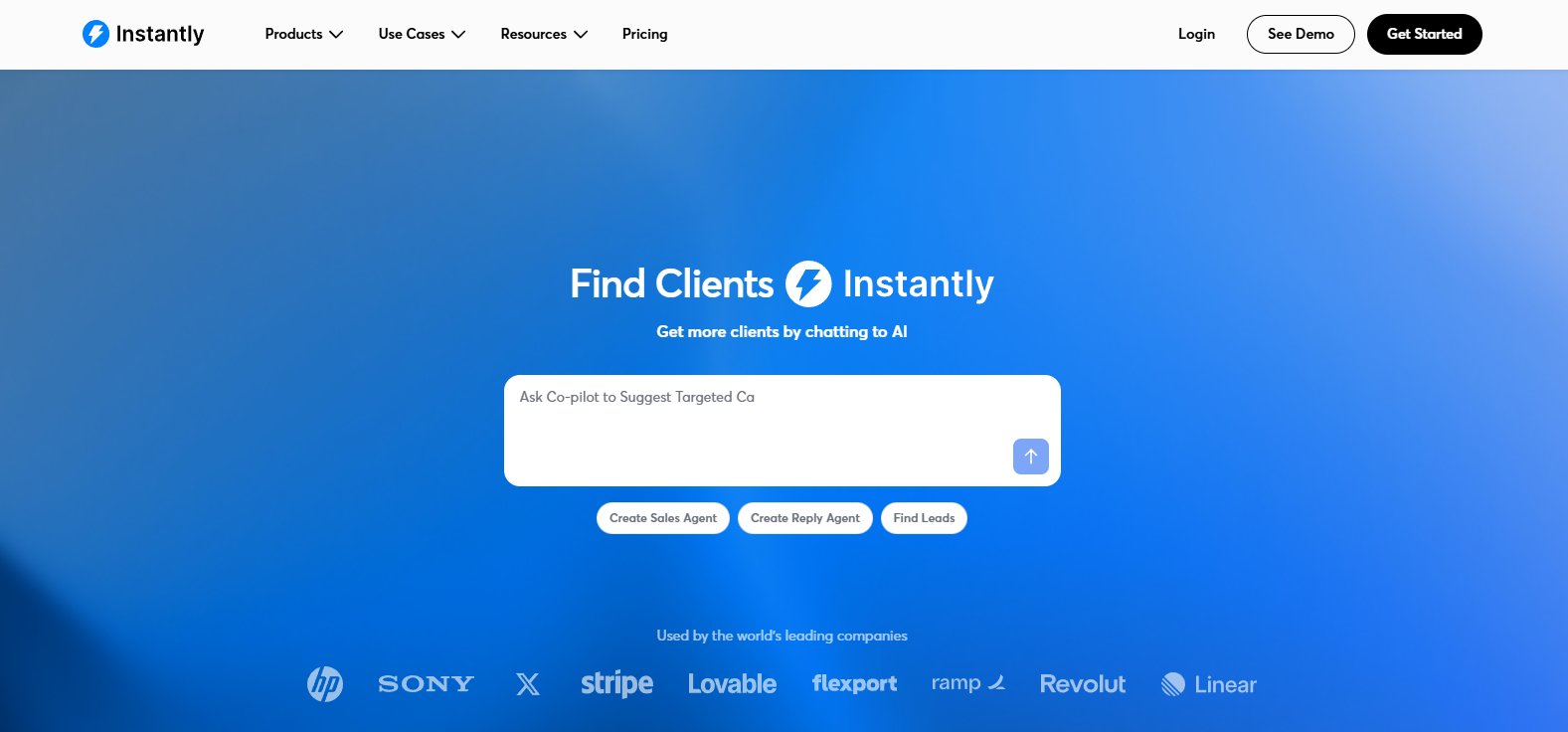
Instantly: The Cold Email Volume Play

Best for: Teams running high-volume cold email campaigns with minimal stack complexity

Instantly bundles contact list management with sending infrastructure and warm-up features. For cold email-specific campaigns, it reduces tool sprawl.

Downside: Instantly is not a deep data provider. Teams with strict ICP targeting often need to pair it with a dedicated sales data provider for better list quality.

UpLead and BetterContact: Verification-First Providers

Best for: Teams that want clean, verified contacts without enterprise seat commitments

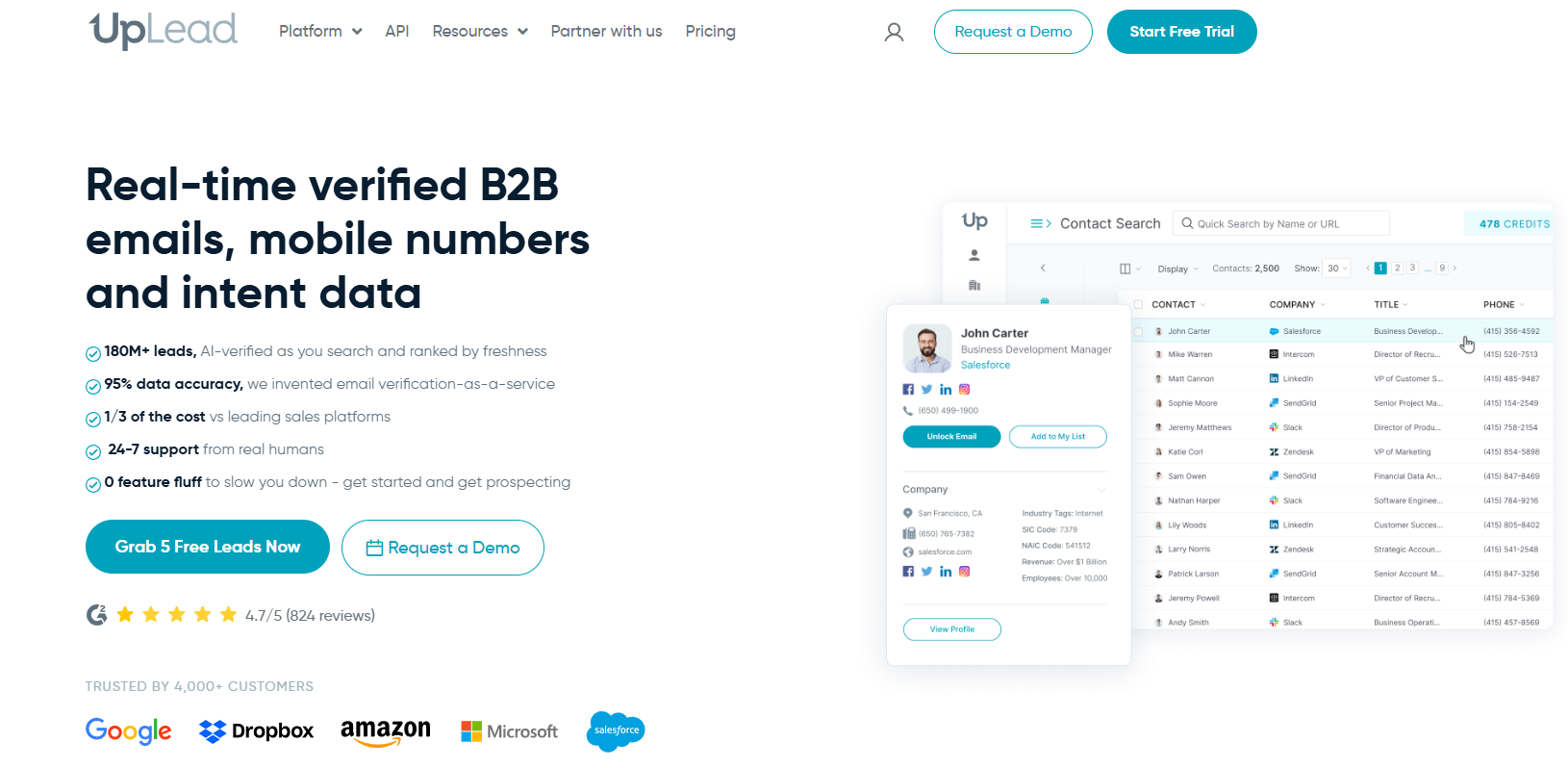
UpLead and BetterContact operate on credit-based models where you only pay for verified contacts. Both emphasise real-time email verification and waterfall enrichment (checking multiple sources to find the most accurate data).

For lean teams running targeted prospecting, credit-based pricing is more predictable than seat-based licensing.

Downside: Neither offers the breadth of intent data nor the advanced segmentation that enterprise tools provide.

Breeze (Clearbit): HubSpot-Native Enrichment

Best for: HubSpot teams building ABM segments and enriching inbound leads in real-time

Breeze is HubSpot's native enrichment layer. It enriches company data as contacts enter your system, improving routing, scoring, and segmentation without leaving your CRM.

Downside: Breeze is most valuable inside HubSpot. If you use Salesforce or Pipedrive, consider Cognism or Apollo instead.

Measuring What Actually Matters: Apart from Database Size

When evaluating a B2B sales data provider, ignore vanity metrics like 500 million profiles or data refreshed every 24 hours.

Instead, measure what impacts your pipeline:

Bounce Rate (Target: Under 5%): Bounces damage domain reputation. Once mailbox providers flag your sending domain, even legitimate emails land in spam. Real-world teams using providers like Cognism and Apollo report bounce rates consistently under 5%.

Meetings Per 100 Contacts: How many quality meetings does this provider's data actually generate? This varies by ICP and outreach quality, but it is the truest measure of data usefulness.

Cost Per Meeting: Big Pharma clients using premium data providers achieve cost per meeting of around $140, even in industries with notoriously long sales cycles. If your cost per meeting is higher, either your data quality or your outreach execution needs improvement.

List Tightness (Match Rate to ICP): Does the data actually match your ideal customer profile? Broad coverage is useless if 70% of the list is a poor fit.

Picking Your Stack: The Framework

Step 1: Define Your Primary Market: Are you US-only, EMEA-focused, or truly global? Your primary provider should dominate in your main market.

Step 2: Identify Your Secondary Segment. Do you have a meaningful secondary region? Use a lightweight second provider to cover it.

Step 3: Decide Your Outreach Model: Are you email-first, phone-first, LinkedIn-first, or mixed? Choose a provider whose strength aligns with your motion.

Step 4: Set Your Budget Reality: Expect $1,000 to $10,000+ annually per rep, depending on tool choice. Factor in adoption overhead, training, and seat costs.

Step 5: Test Before Committing: Run a 2-4 week pilot with your top rep on your best-fit segment. Measure bounce rates, connection rates, and pipeline impact before rolling out.

What Whistle Knows About Data and SDR Success

For SDRs executing outbound campaigns, data quality is only half the equation. The other half is training.

A premium B2B data provider gives your team accurate contact information. But accurate data without frameworks for qualification, personalisation, and follow-up still underperforms.

The best-performing SDR teams pair high-quality data with training on how to research each prospect, personalise initial outreach, and handle objections systematically. They know which signals matter (funding, hiring, product changes), and they reference those signals in their opening message.

Data quality removes friction from execution. Training removes friction from decision-making. Together, they move your team from guessing to executing with confidence.

Not Sure Which Service Is Right for You?

Let’s figure it out together. Book a quick call and we’ll walk you through the best-fit options based on your goals, team structure, and current setup.
Latest posts

Demo content

Interviews, tips, guides, industry best practices, and news.
Office setting
Design
8 min read

UX review presentations

How do you create compelling presentations that wow your colleagues and impress your managers?
Read post
Man working at desk
Product
8 min read

Migrating to Linear 101

Linear helps streamline software projects, sprints, tasks, and bug tracking. Here’s how to get started.
Read post
Man pinning images on wall

Building your API Stack

The rise of RESTful APIs has been met by a rise in tools for creating, testing, and managing them.
Read post
Provider Best For Region Pricing Model Key Strength Annual Cost Range
Cognism Global outbound, compliance-first EMEA/Global License (seat-based) Phone-verified mobile data, 87% connection rate $5,000-15,000+ per rep
ZoomInfo US-focused ABM, deep targeting North America License (seat-based) Firmographics, intent layers, broad database $5,000-20,000+ per rep
Apollo High-volume SaaS outbound Global License (seat-based) All-in-one (data + sequencing + dialer) $3,000-12,000 per rep
Lusha EMEA rep-led prospecting EMEA Tiered (credit-based)