

Go-to-Market

Lauren Daniels
March 19, 2026

SDR training programs deliver measurable ROI when structured correctly. A properly trained SDR converting at 6% instead of 5% generates an extra $104,400 in annual revenue per rep. The most effective programs combine four elements: consistent training schedules, multiple learning styles, real-world application exercises, and progressive skill development. Essential skills are split between hard skills and soft skills.
Top online programs include pclub.io, SDR Nation, and free options like HubSpot Sales Academy. Building an in-house program requires a structured 90-day framework covering product knowledge, sales processes, prospecting fundamentals, and advanced communication skills.
The average SDR takes 4-6 weeks to hire and 3-6 months to reach full productivity, making proper training critical for pipeline generation. Alternative approaches include fractional SDR services that provide pre-trained talent without the time and cost investment of building internal programs.
Sales Development Representatives create your company's first impression with prospects. Yet most organizations leave this critical role to new employees with minimal training and limited sales experience.
This creates a predictable problem. Untrained SDRs struggle with conversion rates, deliver inconsistent messaging, and fail to qualify leads properly. Your account executives receive low-quality meetings. Pipeline suffers. Revenue growth stalls.
The solution is not complicated. Sales development representative training that focuses on specific skills, provides structured development paths, and measures performance improvements transforms average reps into pipeline-generation machines.
This guide explains what effective SDR training involves, which skills matter most, and how to build an effective SDR training program for new sales reps that delivers measurable results.
The financial case for SDR training is straightforward when you run the numbers.
Consider an SDR who speaks with 10 decision-makers daily and converts at 5%, booking 0.5 meetings per day. Over 261 working days annually, SDR books 130.5 meetings.
If account executives close 20% of those meetings at a $20,000 average contract value, that single SDR generates $522,000 in annual revenue.
Now increase that conversion rate from 5% to 6% through proper training. The same SDR now generates $626,400 in revenue. That single percentage point improvement adds $104,400 in sales attributed to one rep.
Push conversion to 9% with continued skill development, and you add $417,600 on top of the original $522,000.
The impact compounds when better-trained SDRs book higher-quality meetings. If SDR training improves meeting quality enough that AE close rates increase from 20% to 22%, that additional 2% generates another $62,640 in revenue per SDR annually.
Training programs that actually improve performance share four characteristics that separate them from generic onboarding.
Set a training schedule and stick to it. Most SDR teams fail here. Managers commit to training sessions, then push dates back or cancel completely when other priorities emerge.
If you want your team to improve, training cannot be optional or flexible. Block the time. Treat it as sacred. Your SDRs need to know they can count on regular skill development.
Beyond scheduled training, SDRs require consistent support during daily work. When they encounter situations they are unprepared for, they need someone available for immediate feedback. If that person never responds or is always unavailable, the SDR misses learning opportunities.
What should be done: Schedule recurring training sessions monthly or bi-weekly. Assign a specific manager or coach for daily questions and real-time support.
Not everyone absorbs information the same way. Some people learn best through lectures and presentations. Others need hands-on practice. Some require written documentation they can reference later.
Effective sales training for SDRs rotates between traditional role-playing exercises, cold call practice games, live call feedback sessions, and written playbooks. This variation ensures every SDR can internalize the material regardless of their preferred learning style.
What should be done: For each skill you teach, create at least three different learning formats. Example: objection handling could include a recorded presentation, a role-play exercise, and a written script library.
Theory without practice produces minimal improvement. SDRs need to apply new skills in actual sales situations, not just training environments.
One effective approach involves assigning "real-world missions" where SDRs must complete specific tasks and provide proof. After teaching a technique for overcoming "not interested" objections, require SDRs to submit a call recording using that technique on an actual cold call.
Another powerful exercise: send SDRs to a public space with a clipboard and pen. They must approach strangers and ask, "What is your first impression of me?" This builds confidence by showing SDRs that most people have positive first impressions, reducing phone anxiety.
What should be done: For every new skill taught, create a corresponding real-world assignment that SDRs must complete within one week.
Do not teach advanced techniques to SDRs still mastering basics. This creates a common trap where SDRs abandon fundamental skills to try something new that they are not ready for.
Build training programs that stack sequentially. Only advance SDRs to the next level when you are confident they have mastered current skills. Tie progression to concrete milestones with assessments or exams.
Some organizations connect salary increases to progression milestones, creating financial incentive for skill development.
What should be done: Map your training curriculum into clear levels (Beginner, Intermediate, Advanced). Define specific competencies required before advancing between levels.
SDR performance depends on mastering both hard skills (technical abilities) and soft skills (interpersonal qualities).
A structured 90-day framework provides the foundation for SDR development. This systematic approach addresses the most common question among sales leaders: how to build an effective SDR training program for new sales reps that produces consistent results.
Week 1-2: Company and product knowledge
Week 3-4: Sales process and tools
Week 5-6: Ideal customer profiles and targeting
Week 7-8: Outreach basics and qualification
Week 9-10: Objection handling and communication
Week 11-12: Live practice and performance
This framework provides structure while allowing customization based on your specific products, markets, and sales processes.
Several online programs offer comprehensive sales development representative training for companies that prefer external courses over building in-house programs.
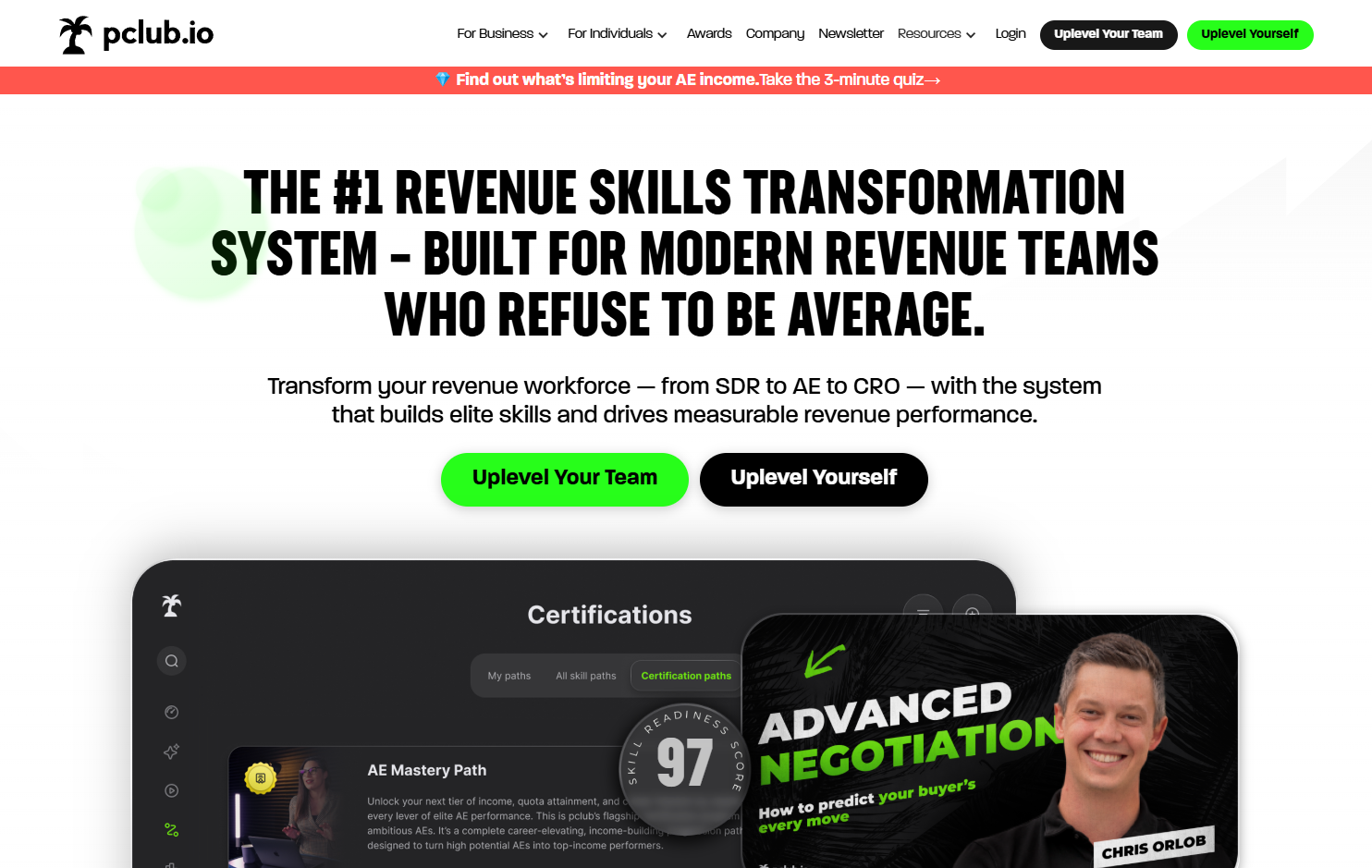
Best for: SDRs at all levels seeking execution-focused training
pclub.io delivers practical SaaS sales training built by top-performing sellers. Their courses include "Conquer the Cold Call" and "Cold Email Conversion Machine" with live coaching, interactive breakdowns, and role-based simulations.
The platform provides AI-powered sales coaching integrations, detailed playbooks, and a community for peer feedback and accountability.
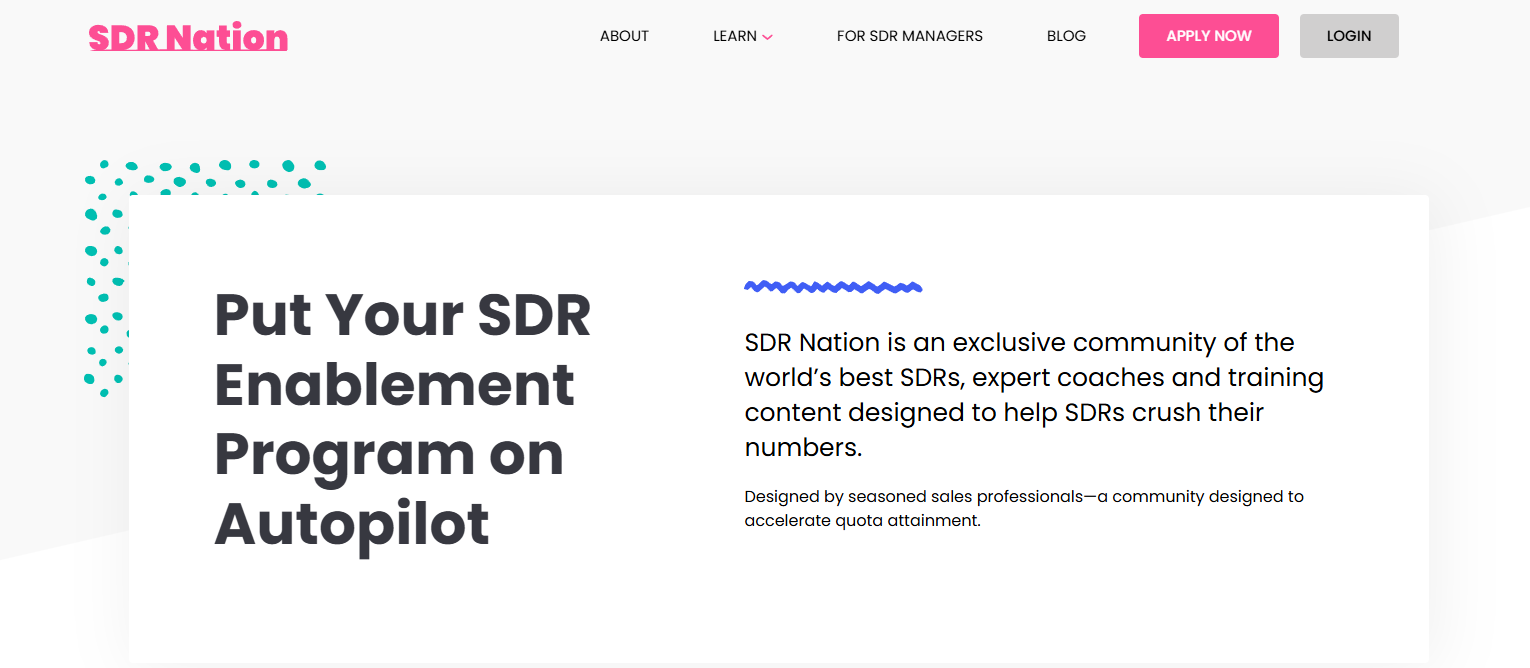
Best for: SDRs wanting ongoing coaching and mentorship
SDR Nation membership platform offers unlimited 1-on-1 coaching sessions, weekly live events covering outbound techniques and leadership development, and an active Slack community for daily support.
The focus is long-term career growth through consistent coaching and peer accountability.
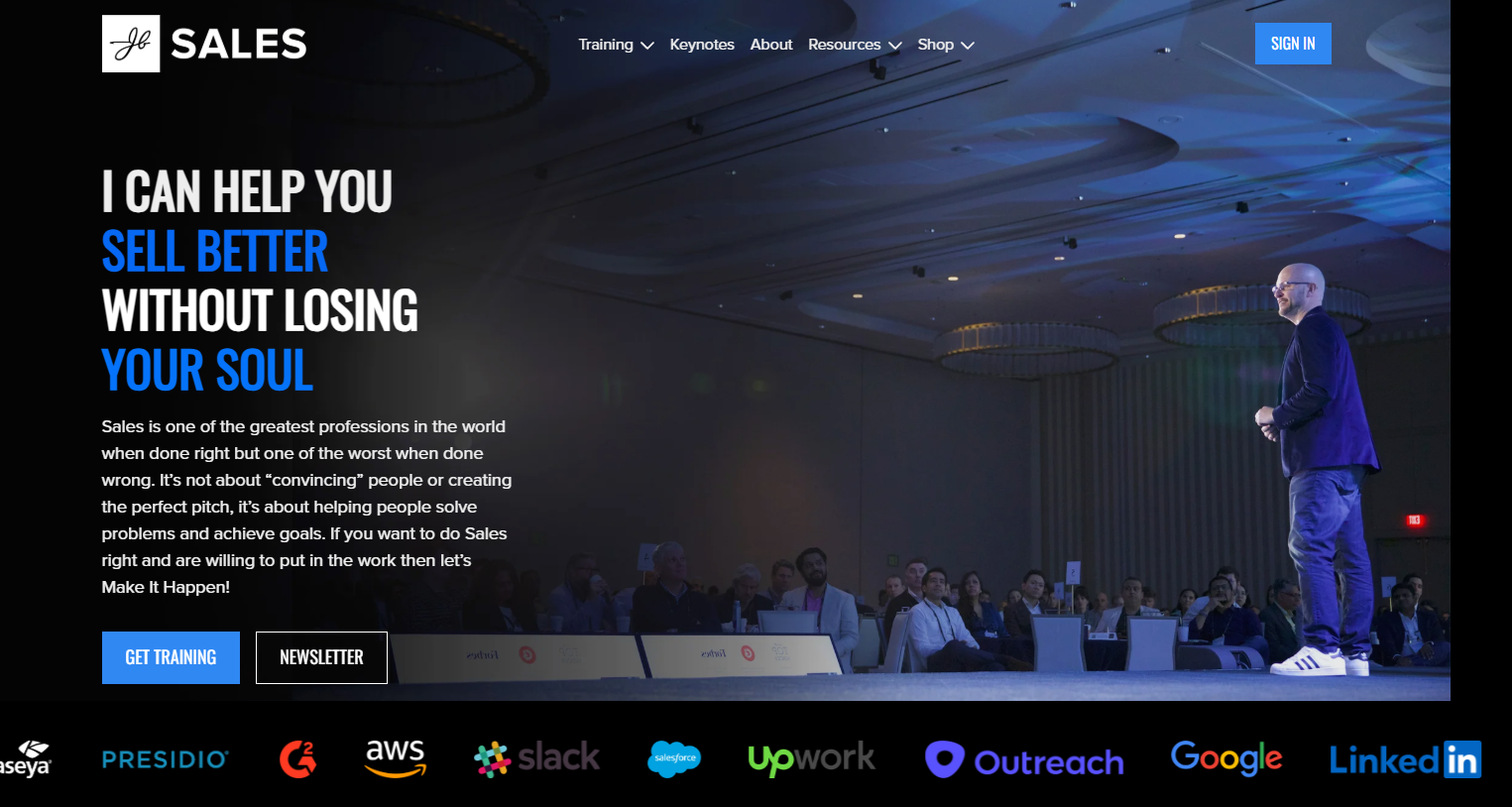
Best for: SDRs needing structured progression and certifications
Led by John Barrows, JB Sales offers tactical programs like "Filling the Funnel" and "Driving to Close." The platform includes an on-demand training library with certifications, monthly live sessions, and content addressing real SDR challenges.
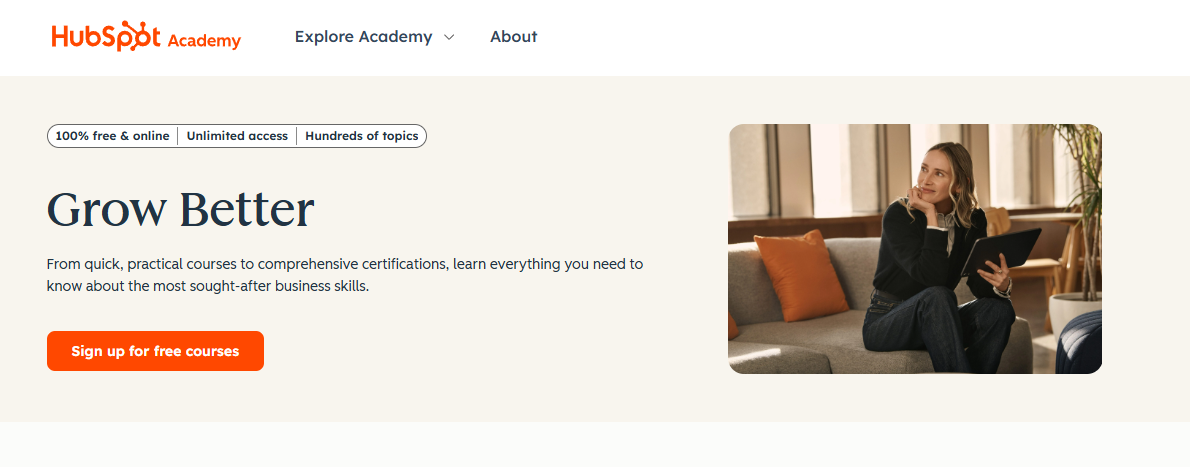
Best for: Beginner SDRs or those transitioning from marketing
HubSpot provides self-paced courses on lead nurturing, CRM usage, and inbound sales methodologies. The free certification-backed training covers both inbound and outbound approaches with clear walkthroughs on using HubSpot tools.
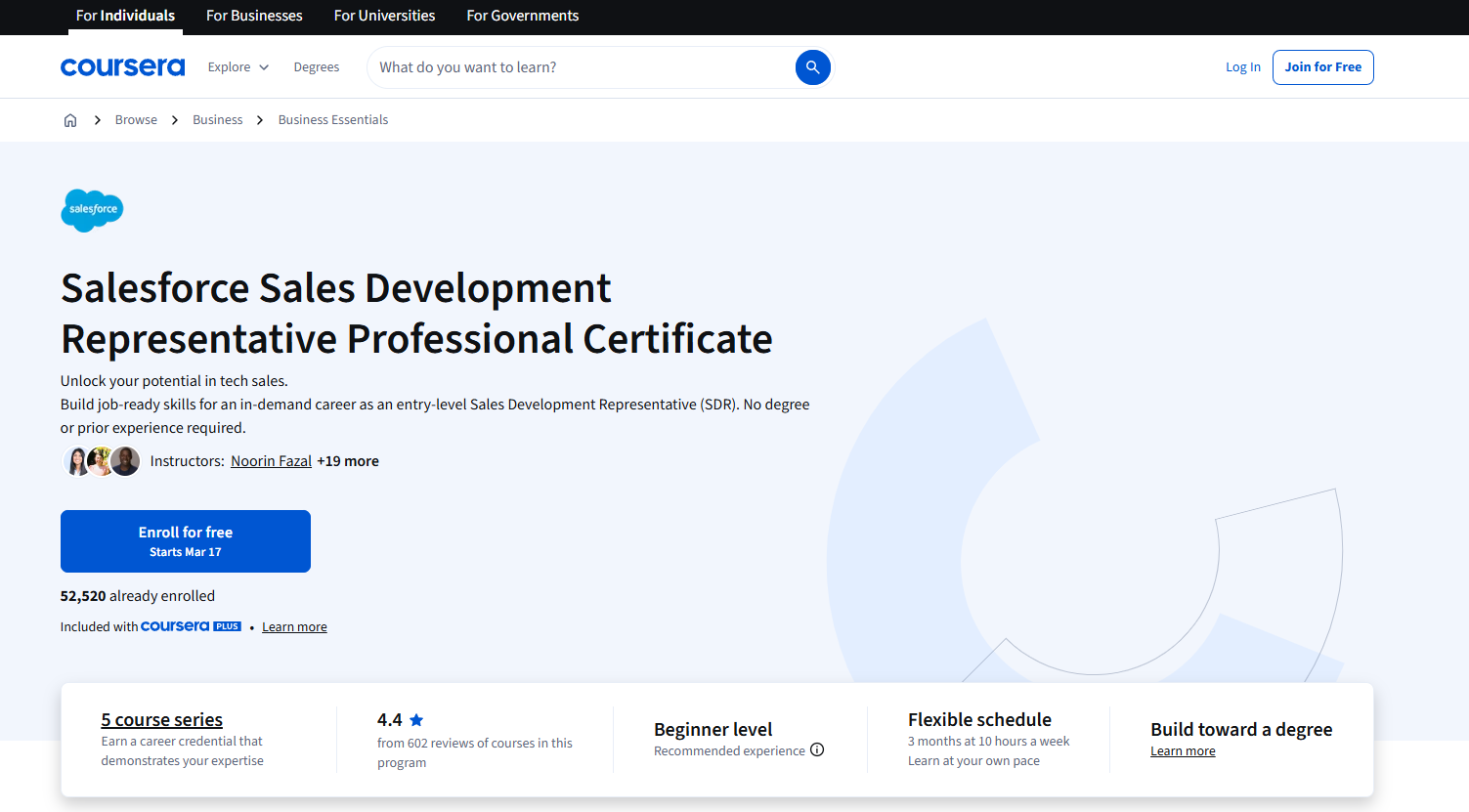
Best for: SDRs wanting recognized certification and CRM expertise
This comprehensive program covers sales fundamentals, customer engagement techniques, and deep Salesforce CRM training. The globally-recognized certification enhances career credentials and provides flexible, self-paced learning.
Companies with specific needs or unique sales processes often benefit from custom in-house programs. Whether you choose external courses or develop your own curriculum, effective sales training for SDRs requires the same fundamental components.
Create a reference library accessible to all SDRs:
Establish ongoing coaching rhythms:
Implement performance evaluation processes:
Regular reviews should cover key performance indicators (calls made, connection rate, meeting booking rate), achievements during the review period, challenges faced and how they were addressed, identified strengths and weaknesses, and specific improvement strategies for the next period.
Build progression milestones with clear requirements:
Define what "beginner," "intermediate," and "advanced" mean for your organization. Create assessments that measure competency at each level. Consider tying compensation increases to skill progression to incentivize development.
Effective SDR training programs deliver measurable revenue impact through improved conversion rates, higher-quality meetings, and faster rep productivity.
The most successful programs combine consistency, multiple learning styles, real-world application, and progression systems.
Essential SDR skills development splits between hard abilities like CRM proficiency and research, and soft skills like resilience, active listening, and empathy. Both categories require intentional development through structured training.
Building in-house programs works best with a 90-day framework covering product knowledge, sales processes, prospecting fundamentals, and advanced communication skills. External options like pclub.io, SDR Nation, and HubSpot Sales Academy provide proven curricula for companies preferring third-party training.
The key decision is not whether to train SDRs, but how to structure that training for maximum impact. The data is clear: a single percentage point improvement in conversion rates adds six figures in revenue per rep annually.
For companies evaluating whether to build internal SDR training programs or access pre-trained talent through fractional services, Whistle can help. Our outsourced SDR services provide experienced sales development professionals with proven frameworks and modern methodologies that drive qualified meetings and sustainable pipeline growth.



.jpg)

%20.jpg)