

B2B Insights

Lauren Daniels
July 10, 2026

I have watched sales teams grind through prospecting without the right tools.
A rep spends 20 minutes researching a prospect. Then 10 minutes finding their email. Then 5 minutes entering everything into the CRM. Then 10 minutes crafting a message.
That is 45 minutes per prospect.
Sales reps spend 6-8 hours per week on prospecting activities, yet 40% of salespeople say prospecting is the hardest part of their job. At the same time, sales reps spend only 28% of their week actually selling.
The math is brutal. A rep working 40 hours per week spends roughly 27 hours on admin work. That leaves 13 hours for actual selling.

B2B sales prospecting tools exist to fix this. The right tool does not just save time. It surfaces better prospects, enriches their data, and automates the repetitive work so your team can focus on conversations that move deals.
Here are 9 prospecting tools that actually work.
Most teams fail at B2B prospecting because they pick one tool and expect it to do everything.
The best setups combine three categories: contact discovery (who to call), data enrichment (what to know), and engagement automation (how to reach them)
Start with Apollo or ZoomInfo for contact data, layer in Lemlist or Outreach for sequencing, then add Humantic AI or ClearBit for prospect intelligence.
If you are running high-volume cold email, Smartreach.io handles deliverability. Total cost: $200-500/month for a functional sales prospecting tools stack. Most teams see payback in the first month through reduced research time alone.
You probably have a spreadsheet, a database, and a sales rep doing manual research.
Here is what that looks like: rep opens a list. Searches for company. Checks LinkedIn for decision-makers. Googles the prospect's email. Tries an email finder tool (if you have one). Enters everything into CRM. Writes outreach message. Sends.
Total time: 45 minutes per prospect.
If your rep is working 40 qualified prospects per week, that is 30 hours of research. Multiply that by your team size, and you have burned a person's entire week on admin work.
The best B2B sales prospecting tools solve this by automating the time-consuming research and data entry. Not by replacing your rep. By freeing your rep to do actual prospecting instead of busywork.
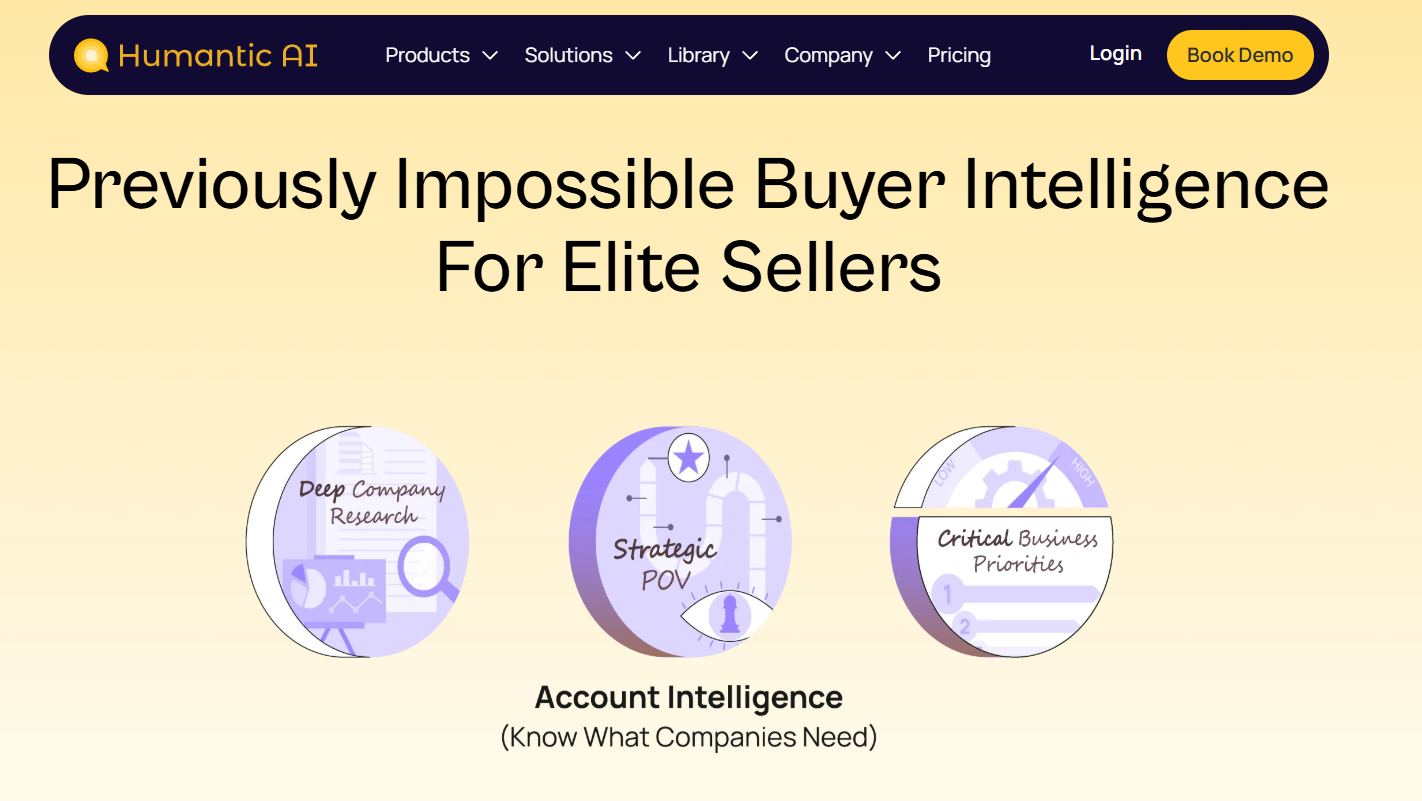
Best for: Teams that want psychological insight into how prospects make decisions
Humantic AI is different from other B2B sales prospecting tools because it does not just tell you who a prospect is. It tells you how they think.
The platform converts LinkedIn profiles into personality reports. That is not handwaving. It is behavioral science applied to sales.
What it does:
Why this matters for prospecting: When you know a prospect is detail-oriented versus big-picture focused, analytical versus relationship-driven, you adjust your pitch accordingly. That small adaptation compounds across 100 conversations.
Best paired with: Contact databases like Apollo or ZoomInfo (for finding prospects) + Lemlist or Outreach (for sending personalized outreach informed by personality profile)
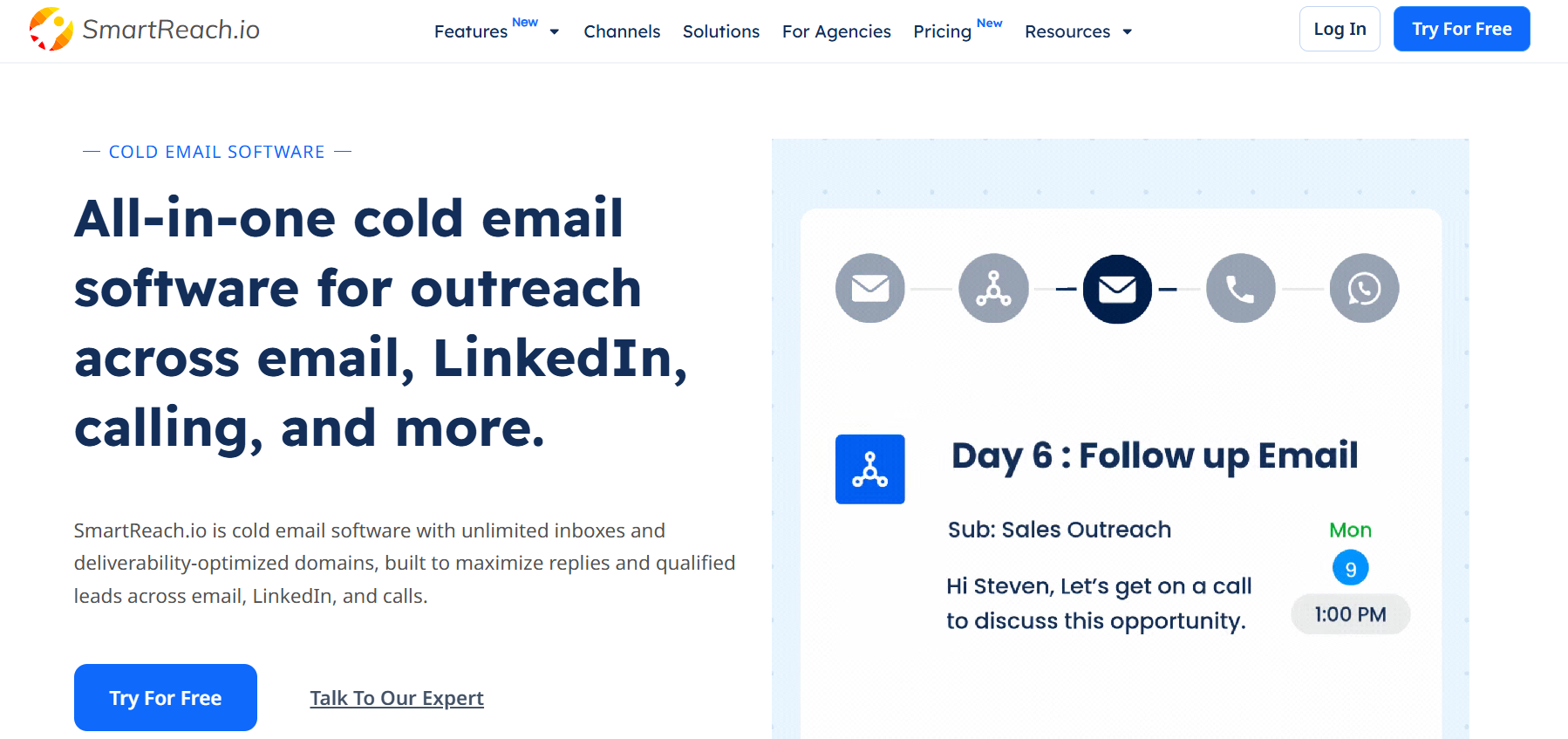
Best for: Teams that need 250M+ verified contacts in one searchable database
SmartReach.io combines contact discovery, email verification, and CRM integration into a single B2B sales prospecting tool.
What sets it apart from other contact databases:
Why this matters for prospecting: Manually building prospect lists takes days. SmartReach.io lets you build a targeted list in 20 minutes. Filter by company size, revenue, location, and technology stack. One click and every lead is email-verified.
No more guessing whether an email address is real. No more wasting outreach on bounced addresses.
Best paired with: Lemlist or Outreach (for sequencing) + Humantic AI (for personality insights)
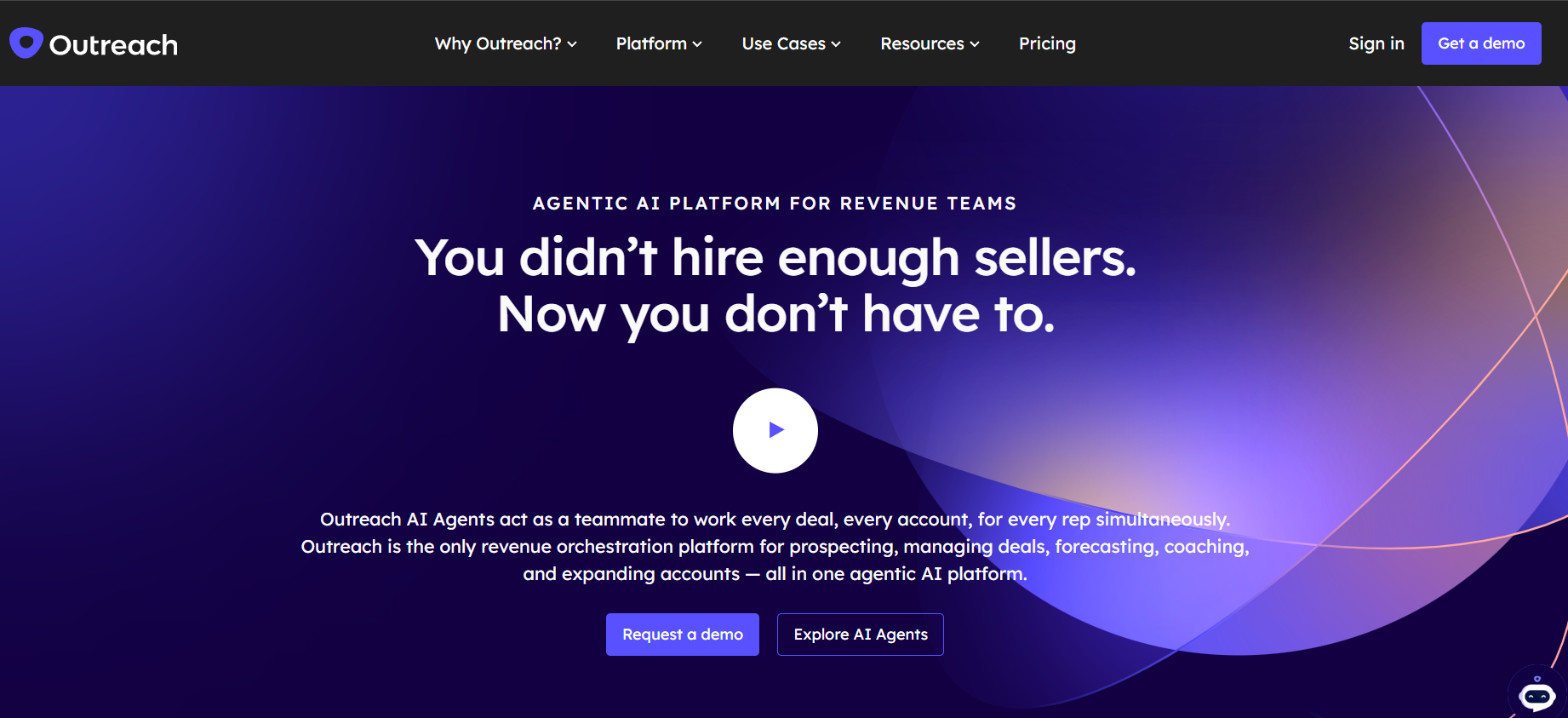
Best for: Enterprise and mid-market teams running multi-channel prospecting with AI optimization
Outreach is the gold standard for sales engagement. It is a system for managing entire prospecting workflows at scale.
What it handles:
Why this matters for prospecting: When you are running 100+ prospects through sequences simultaneously, you need orchestration. Outreach ensures timing is optimized, sequences adapt based on engagement, and nothing falls through the cracks.
Best paired with: ZoomInfo or Apollo (for contact discovery) + ClearBit (for firmographic data)
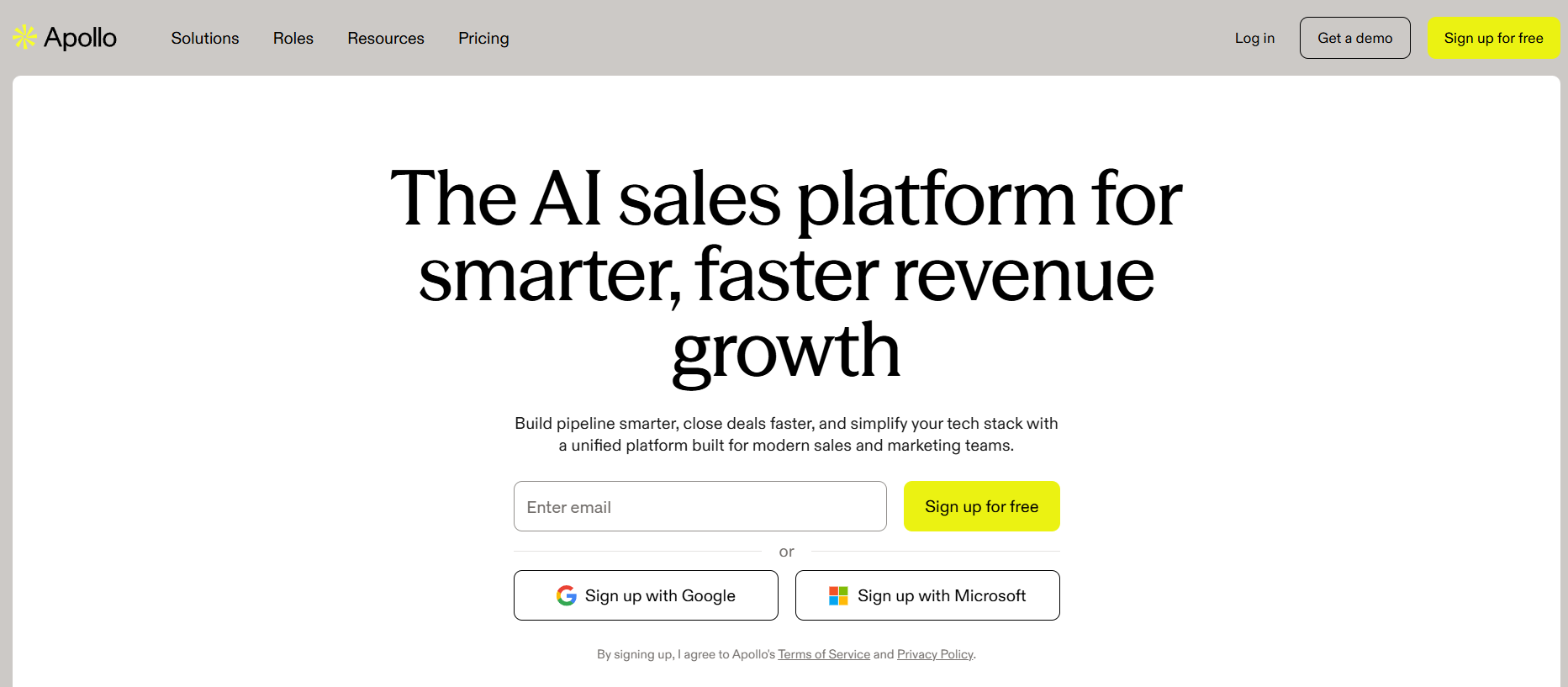
Best for: Growing teams that need prospecting, enrichment, and outreach in one tool
Apollo is the most popular B2B sales prospecting tool for small and mid-market teams because it does almost everything without overwhelming complexity.
What it includes:
Why this matters for prospecting: Most teams do not need 10 tools. Apollo lets one person do prospect research, build lists, verify emails, and send sequences all in one platform. The learning curve is shallow.
Best paired with: Nothing required (it is comprehensive), but Humantic AI enhances intelligence
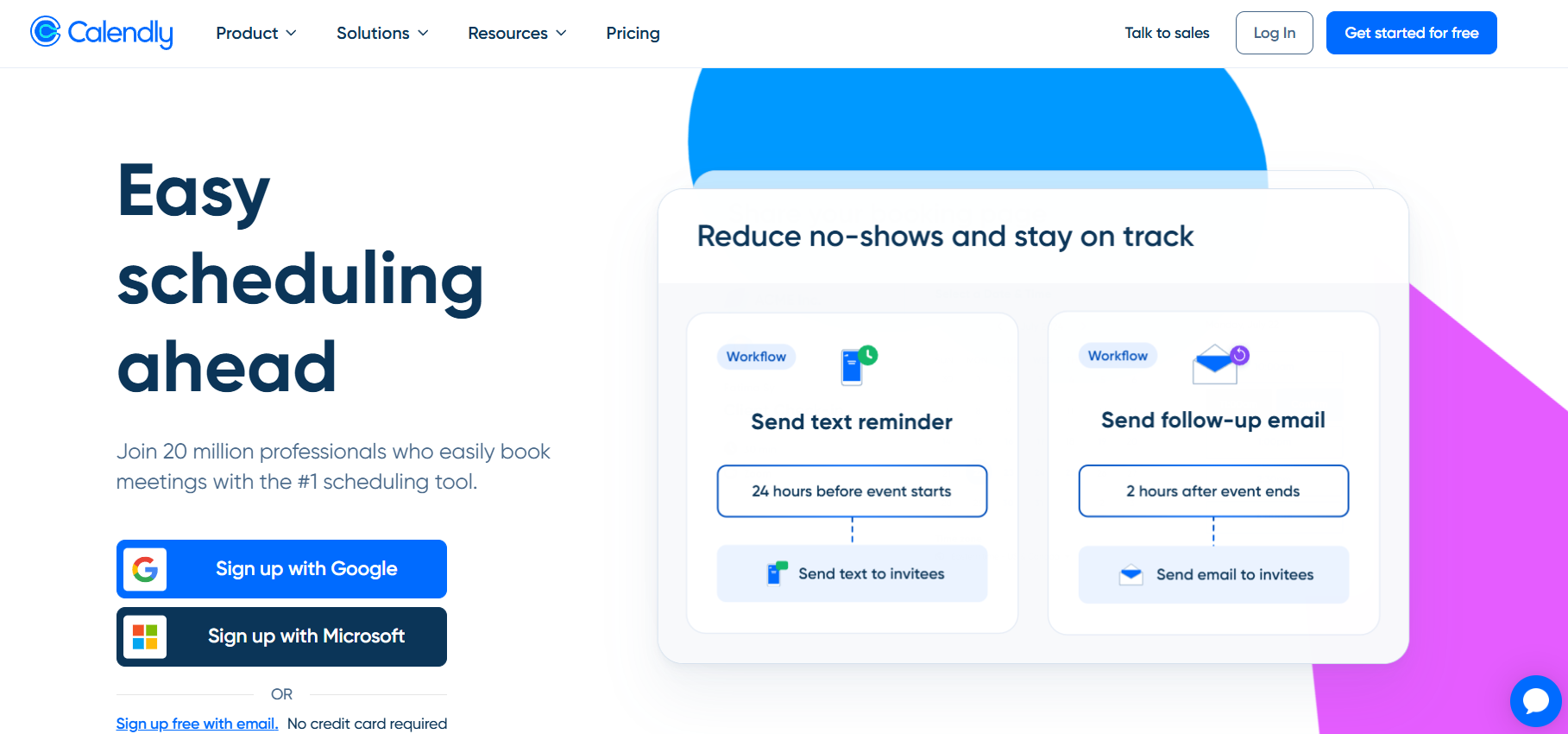
Best for: Sales teams that lose meetings to scheduling friction
Calendly is not a B2B sales prospecting tool in the traditional sense. It is a scheduling automation platform.
But here is why it belongs on this list: prospecting fails not because reps cannot find prospects, but because they lose them during scheduling.
What it does:
Why this matters for prospecting: A prospect says "yes, I am interested." You say "let me check my calendar and get back to you." They move on. Calendly prevents that. They click a link, book a time that works for them, and the meeting is confirmed.
Best paired with: Any email sequencing tool (Lemlist, Outreach, Apollo)
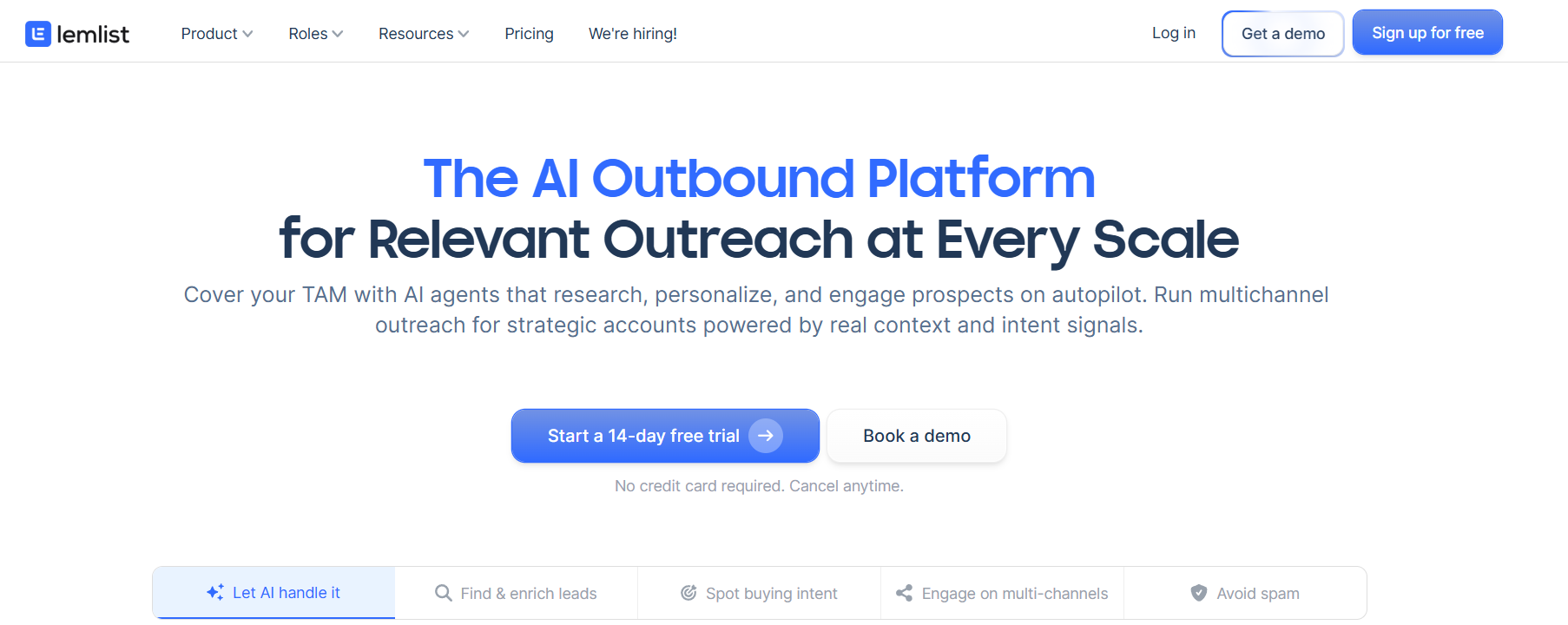
Best for: Teams competing in crowded inboxes and needing creative personalization
Lemlist approaches B2B sales prospecting tools from a different angle: what if your emails stood out visually?
The platform specializes in personalization that goes beyond inserting a first name:
Why this matters for prospecting: Generic emails disappear. Personalized images and custom landing pages get attention. Lemlist's approach is that if you are going to prospect, make your message memorable.
Best paired with: SmartReach.io or Apollo (for contact discovery) + Humantic AI (for tone-of-voice personalization)
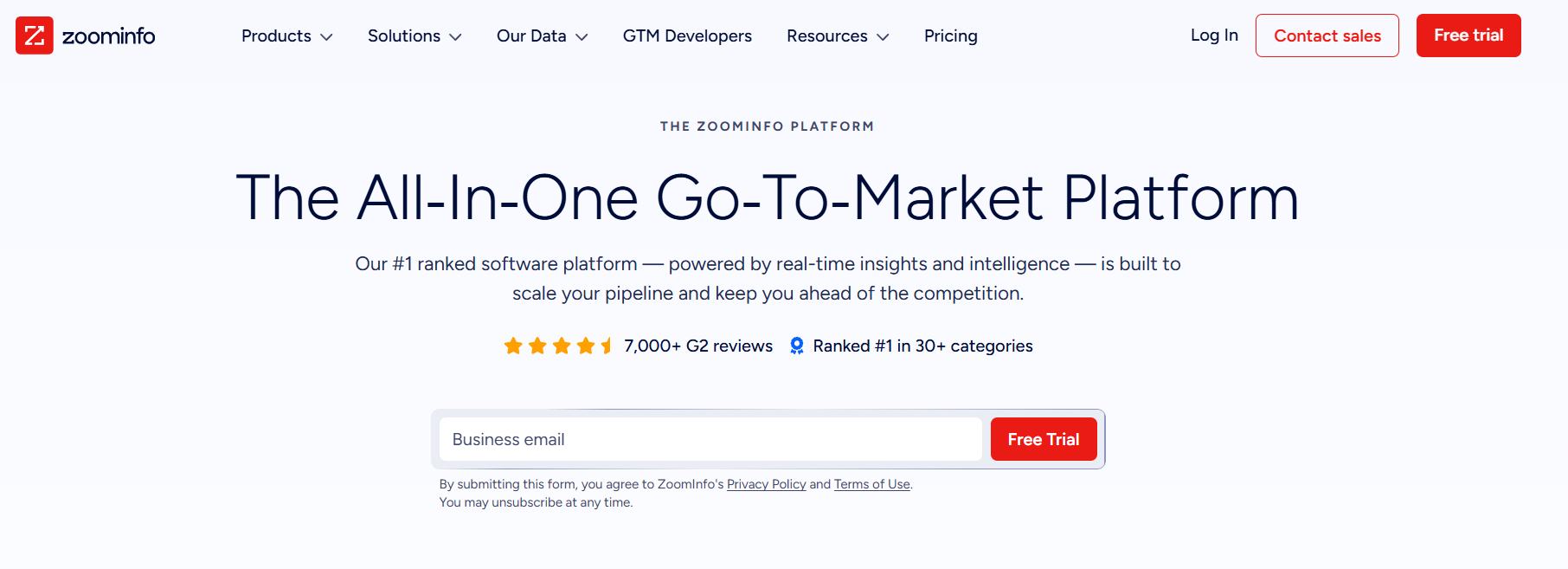
Best for: Enterprise and mid-market teams that prioritize data accuracy above all else
ZoomInfo is the go-to B2B sales prospecting tool for large organizations. The platform does one thing exceptionally well: maintaining the most accurate, up-to-date B2B contact database.
What it provides:
Why this matters for prospecting: Enterprise buyers have strict data quality requirements. A wrong phone number wastes time. ZoomInfo ensures you are calling the right person with current information.
Best paired with: Outreach or SalesLoft (for complex sequencing) + 6sense (for intent data)
Best for: Teams that need instant context on companies and decision-makers
ClearBit is a data enrichment tool that plugs into your B2B sales prospecting workflow. When you look up a prospect, ClearBit instantly surfaces:
What makes it different:
Why this matters for prospecting: Before you reach out, know their tech stack, company size, and recent news. That context makes your message irrelevant or highly relevant. ClearBit ensures you have it.
Pricing: Custom pricing (integrates with HubSpot, Salesforce)
Best paired with: ZoomInfo or Apollo (for contact discovery) + Outreach (for sequencing)
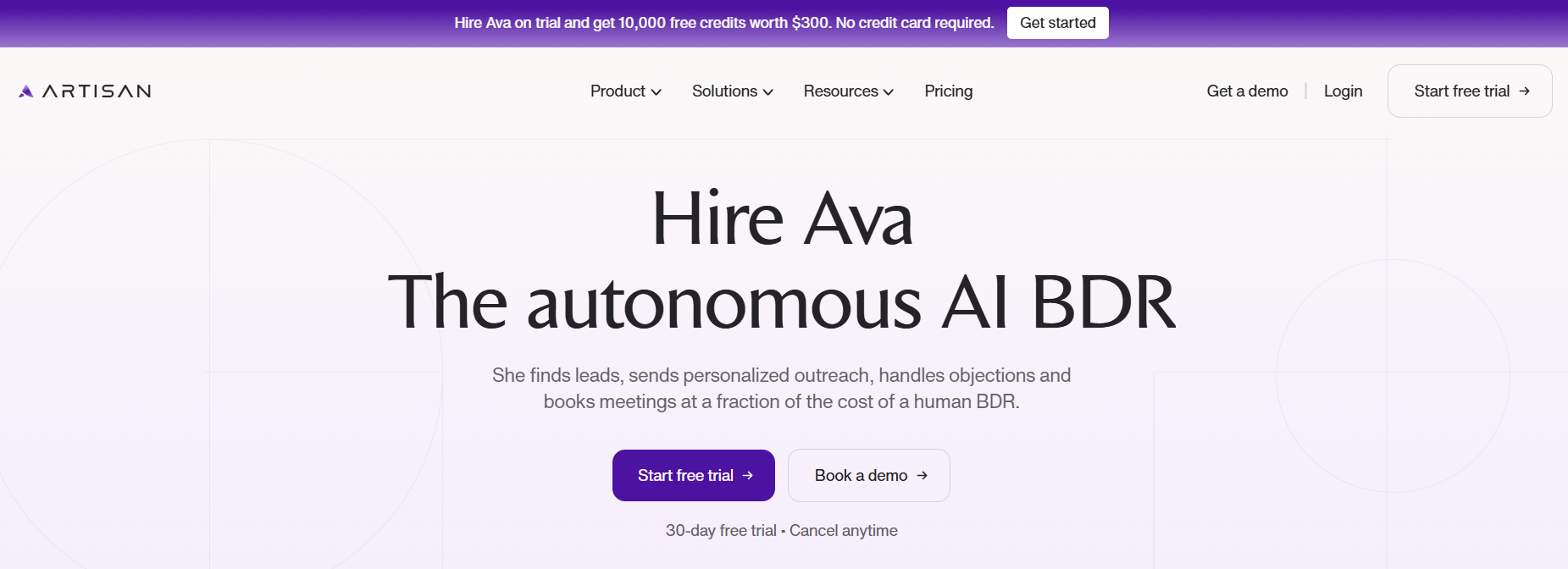
Best for: Experimental teams willing to test fully autonomous AI-driven outbound
Artisan represents a newer category of B2B sales prospecting tools: AI agents that run prospecting independently.
What it does:
Why this matters for prospecting: If you have limited SDR capacity, an AI agent handling research, outreach, and initial qualification frees your team for higher-value conversations.
Important caveat: AI SDR platforms show promise but are inconsistent across industries. Best used as a supplement to human prospecting, not a replacement.
Best paired with: Human review and follow-up (AI handles initial outreach, humans take qualified conversations)
Most teams buy tools wrong. They look at feature lists and pick the shiniest option.
Then they realize the tool does not integrate with their CRM. Or requires training nobody has time for. Or costs more than expected once they add all the features they actually need.
Here is how to pick correctly:
Step 1: Define your prospecting motion
Are you doing high-volume cold email? Buy for volume (Lemlist, SmartReach.io, Artisan).
Are you doing account-based marketing? Buy for intelligence (ZoomInfo, ClearBit).
Are you doing relationship selling? Buy for enrichment and sequencing (Apollo, Outreach, Humantic AI).
Step 2: Audit your current workflow
What is taking the most time? Research? Outreach? Follow-up? Scheduling?
That is your bottleneck. Your prospecting tools stack should address it first.
Step 3: Price the full stack, not individual tools
One tool costs $100/month. Five tools cost $500-1000/month. Budget for the full stack before committing to any single tool.
Step 4: Prioritize integration over features
A tool with 80% of what you need but seamless CRM integration beats a tool with 100% of features but manual data entry.
Sales reps spend only 28% of their week actually selling. The rest is admin work.
Sales reps who use AI tools to handle administrative tasks save two hours a day.
That is 10 hours per week per rep. Multiply that by your team, and you have reclaimed significant selling time.
The right B2B sales prospecting tools stack pays for itself in the first month through time savings alone. The conversion improvements come after.
Most sales leaders think their bottleneck is finding prospects.
It is not.
The bottleneck is execution consistency. Most reps prospect inconsistently because it is time-consuming, emotionally draining, and lacks clear results.
40% of salespeople say prospecting is the hardest part of their job. Not because prospects are hard to find. Because the workflow is broken.
B2B sales prospecting tools fix the workflow. Not by making prospecting easier (it is still hard). But by removing the friction that prevents consistency.
When your rep can go from prospect identification to outreach to scheduling in 15 minutes instead of 45 minutes, they do more of it. More activity at better targeting equals more pipeline.
That is the real value of these tools.
Most teams try to implement too many tools at once.
They buy Apollo, Lemlist, Outreach, ZoomInfo, Calendly, Humantic AI, and ClearBit simultaneously. Then they are overwhelmed, adoption is low, and they blame the tools.
Start with 2-3. Get those working. Then add more.
The best B2B sales prospecting tools stack for your team is not the one with the most features. It is the one your team will actually use consistently.
Start simple. Get results. Expand. That is the path to sustainable prospecting growth.