

Go-to-Market

Lauren Daniels
May 21, 2026

Lead generation for IT companies requires specialized tactics that address long sales cycles, multiple decision-makers, and highly technical buyers. We've compiled eight proven strategies based on what actually works in the B2B technology sector.
This guide covers practical approaches: content marketing optimized for search, gated resources that capture qualified contacts, webinars that demonstrate expertise, strategic partnerships, and targeted outbound methods. Each tactic is explained with implementation steps rather than surface-level descriptions.
The focus is actionable: how to create content that converts, which channels deliver the best ROI, how to qualify technical buyers, and how to build sustainable pipelines without inflating customer acquisition costs.
Whether you're a SaaS provider, managed services company, or enterprise software vendor, these tactics will help you attract decision-makers actively researching solutions and convert them into sales-ready opportunities.
Your IT company has a pipeline problem.
Marketing generates traffic, but most visitors leave without engaging. Sales spends hours prospecting unqualified accounts. Customer acquisition costs keep climbing while conversion rates stay flat. The result? Unpredictable revenue and constant pressure to hit targets.
Lead generation for IT companies differs from other industries because your buyers are technical, skeptical, and research-driven. They evaluate multiple vendors, involve several stakeholders, and take months to make decisions. Generic marketing tactics don't work when your prospects are engineers, CTOs, and IT directors who can spot empty promises immediately.
This guide presents eight tactics that address these realities. You'll learn how to attract technical buyers through valuable content, capture qualified leads through strategic offers, and nurture prospects through complex evaluation processes.
Around 85% of B2B marketers agree that lead generation is a critical content marketing goal. Without identifying prospective buyers, you rely entirely on their intuition for choosing vendors. That's a risky strategy in a competitive market where differentiation is difficult.
The economics are clear:
Collecting lead information helps you guide prospects, share resources, and build relationships through email, phone outreach, and exclusive invites.
The measurement advantage:
B2B lead generation is measurable because you can track net-new leads collected against predefined campaign goals and timelines.
Cost considerations:
The average B2B lead costs between $31 and $60. However, 60% of marketers report that customer acquisition costs have increased recently. To ensure you're not spending more on lead generation than you're bringing in from sales, calculate ROI carefully.
Technology lead generation tactics must focus on target accounts to ensure collected leads are likely to convert into high-profit customers. Broad techniques waste budget reaching audiences who can't or won't buy.
About 96% of B2B marketers use content marketing because it effectively attracts website traffic and generates new leads. For IT companies, this means creating technical content that ranks well in search engines while demonstrating expertise.
How to implement:
Why this works for B2B tech lead generation:
Technical buyers conduct extensive research before contacting vendors. When your content answers their questions and appears in search results, you establish authority and capture interest at the moment they're actively looking for solutions.
HubSpot generates a significant number of leads through educational blog content covering marketing automation, CRM implementation, and sales processes. Their content ranks consistently for high-intent keywords and converts readers into trial users.
Gated content is digital media that your audience can access after completing a form. The form includes fields such as contact information and qualification details like job title, company size, and industry.
Effective gated content formats:
Form design considerations:
Ask for title, industry, and company size to ensure respondents match your buyer persona. This allows you to focus follow-up efforts on prospects with genuine purchase potential rather than students, competitors, or unqualified contacts.
Implementation tip:
Not all content should be gated. Use ungated blog posts and basic resources to build trust and attract traffic. Gate only high-value, in-depth resources that provide significant insights or solve specific technical problems.
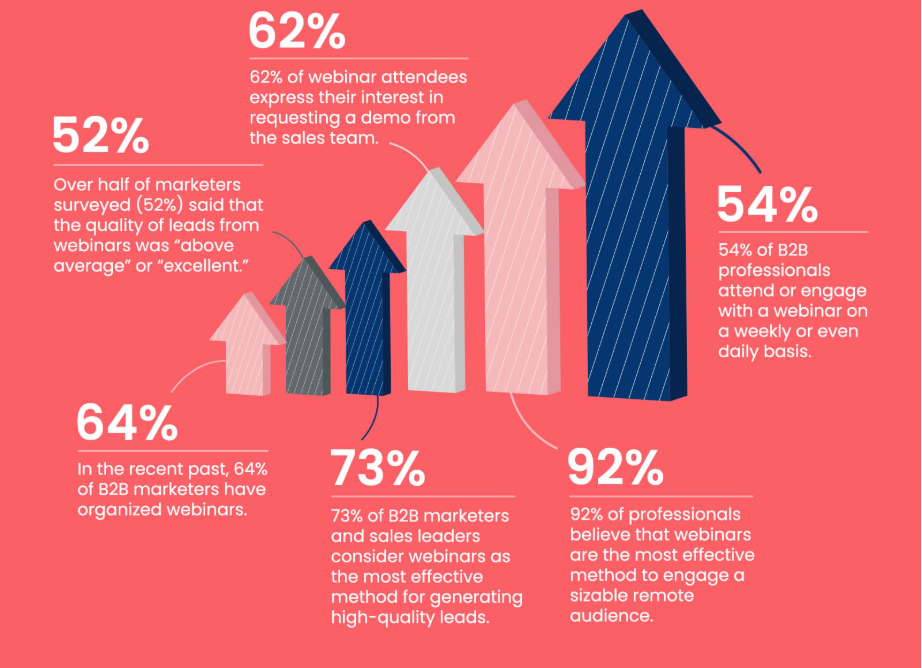
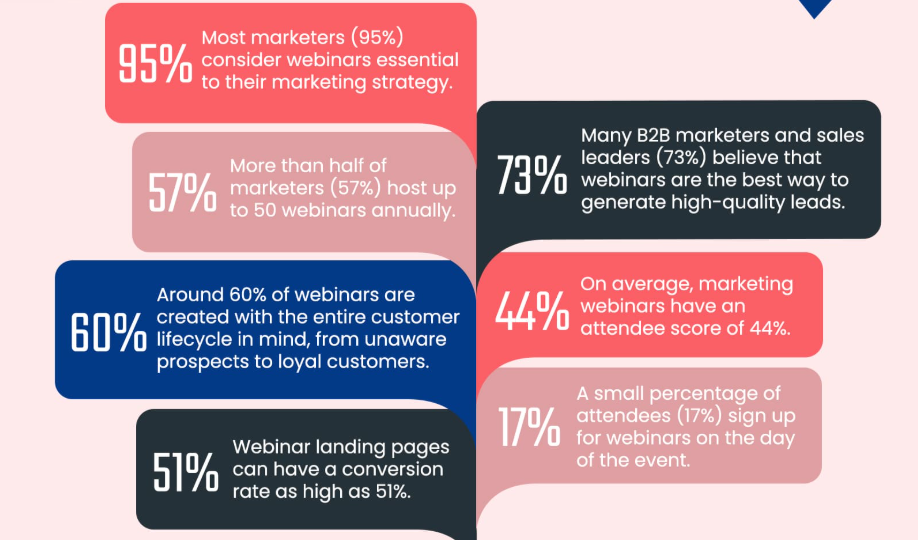
Roughly 73% of B2B marketers say webinars are their most effective lead generation strategy, with conversion rates reaching 55%. For IT companies, webinars provide opportunities to showcase product capabilities, explain complex concepts, and engage directly with prospects.
Webinar topics that generate leads:
How to maximize webinar effectiveness:
Include interactive elements like polls, live demos, and Q&A to increase engagement. Record sessions for on-demand access so prospects who can't attend live can still consume content and enter your pipeline. Follow up promptly with attendees, providing additional resources based on their engagement during the session.
Quality over promotion:
Your webinar should provide genuine value, not function as an extended sales pitch. Focus on solving problems and educating your audience. This builds trust in your brand and positions you as a credible solution provider.
Content syndication involves republishing your content on third-party websites and platforms to reach broader audiences. Instead of waiting for prospects to find your content through search, syndication delivers it directly to targeted readers.
How syndication works for lead generation:
Partner with industry publications, blogs, and platforms that reach your target audience. Adapt content to fit each partner's style and guidelines. Use gated content within syndicated pieces to capture leads from readers on external sites.
Implementation strategy:
Identify reputable technology publications and platforms that your prospects read regularly. Monitor performance to determine which channels and topics yield the best results. Consider paid syndication options to target specific, high-value audiences on premium platforms.
The targeting advantage:
Publishers with established audiences that match your ideal customer profile provide access to qualified prospects actively consuming technology content. This reduces wasted reach compared to broad advertising approaches.
Collaborating with complementary businesses helps you connect with new audiences and generate high-quality leads. When you partner on co-marketing initiatives like webinars, research reports, or guides, you deliver value to both audiences while demonstrating industry expertise.
How to develop successful partnerships:
Partnership example:
HubSpot and Unbounce, two marketing software providers, collaborated on a co-branded guide about landing page optimization. The partnership generated leads and exposure for both companies by combining their respective expertise.
Why partnerships work:
Prospects value solutions that integrate well with their existing technology stacks. Co-marketing with complementary vendors demonstrates interoperability while exposing your brand to audiences already interested in related solutions.
While inbound tactics like content marketing are effective, outbound strategies help you proactively reach potential customers. For IT companies, targeted outbound works best when focused on specific accounts matching your ideal customer profile.
Effective outbound approach:
Why this matters:
B2B technology purchases involve long evaluation periods. Prospects require an average of 12 touches before responding to outreach. Consistent, personalized follow-up separates your company from competitors that give up after one or two attempts.
LinkedIn generates up to 80% of B2B leads for many marketers, making it the top platform for technology lead generation tactics. IT decision-makers use LinkedIn to research vendors, follow industry trends, and evaluate solutions.
How to generate leads through social media:
Content that performs:
Technical thought leadership, case studies with measurable results, industry analysis, and product updates generate higher engagement than promotional posts. Focus on providing value rather than pushing sales messages.
Engagement strategy:
Comment thoughtfully on posts from prospects and industry leaders. Answer technical questions in groups. Share insights from your webinars and content. This visibility builds recognition before direct outreach.
Well-designed landing pages convert website visitors into leads by removing distractions and focusing on single conversion goals. To generate leads for IT services, landing pages must address technical concerns while making contact simple.
Essential landing page elements:
When to use landing pages:
Create dedicated pages for PPC campaigns, webinar registrations, content downloads, free trial signups, and demo requests. Each page should have one clear objective rather than multiple competing offers.
Testing and optimization:
A/B test headlines, form lengths, and CTA placement to improve conversion rates. Monitor performance metrics to identify which variations drive the most qualified leads.
Lead generation for IT companies requires strategies tailored to technical buyers, long sales cycles, and complex decision-making. Effective B2B tech lead generation combines content marketing, gated resources, webinars, partnerships, outbound outreach, social media, and optimized landing pages to engage prospects throughout the buyer journey.
Success comes from consistent execution across multiple channels. Start with tactics that match your resources, then test, measure, and optimize based on results. Scale what works and refine what doesn’t.
Ready to build a predictable pipeline for your IT company? Whistle helps technology companies create lead generation programs that drive qualified opportunities and revenue growth.



%20.jpg)

.jpg)
%20.jpg)