
B2B Insights

Lauren Daniels
May 28, 2026

Sales goals are specific, measurable targets guiding sales team activities and performance within defined timeframes. Unlike quotas, sales goals provide direction, motivation, and accountability for reps. The average SaaS sales cycle for a $25K ACV deal should close within 90 days, making cycle-time reduction a critical metric. Effective SMART sales goals are Specific, Measurable, Achievable, Realistic, and Time-bound. 40% of companies fail to hit annual sales targets, often because goals are disconnected from execution reality. Goals set collaboratively with reps outperform goals handed down from leadership because they generate better buy-in and honest forecasting. Essential sales objectives include monthly revenue, sales cycle length, lead generation, win rates, and customer acquisition cost.
In SaaS, CAC should be less than three times lifetime value to ensure healthy unit economics. Retention metrics matter: reduce quarterly churn to 3%, improve customer retention by 15% annually, and increase customer lifetime value by 10% year-on-year. 61% of GTM leaders invested more in enablement to achieve sales goals in 2025, recognizing that sales targets require supporting infrastructure.
81% of B2B leaders who deemed negotiations successful systematically prepared reps rather than hoping for organic improvement. Activity goals include increasing meetings booked, boosting cold call volume by 20%, and raising email response rates by 12%. The difference between missing quota and exceeding it often comes down to whether managers set goals that connect strategy to daily execution.
Your team has revenue targets. But if those are the only sales goals you are setting, you are missing the activities that produce the revenue.
40% of companies fail to hit annual sales targets, often because goals are either too vague to execute against or disconnected from the behaviors that create pipeline. Goals set collaboratively with reps outperform goals handed down from leadership because they generate better commitment and more honest forecasting.
Here are the 11 sales goals every manager needs to know, with examples that connect targets to execution.
Sales goals are specific, measurable targets that guide sales team activities and performance within defined timeframes. They go beyond revenue numbers to cover customer acquisition, deal velocity, activity metrics, and retention.
Sales goals provide direction, motivation, and accountability for reps. They establish benchmarks for performance, ensure attainability through data-driven planning, and create clear expectations for what success looks like.
The distinction: a quota is the minimum threshold a rep must hit. A sales goal is the full map including the quota, the activities that produce it, coaching milestones, and retention targets that make hitting quota repeatable.
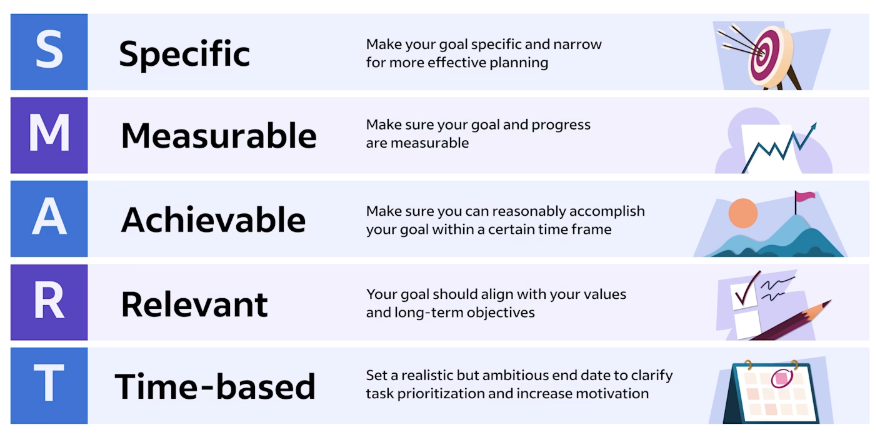
Effective SMART sales goals are:
Specific: Clear about what you want to achieve and how. Not "grow revenue" but "grow monthly revenue from core products by 20% through consultative selling approach."
Measurable: Define success in trackable numbers. If aiming to increase revenue by $1M, set up CRM tracking for closed deals, repeat purchases, and customer retention to benchmark performance.
Achievable: Balance ambition with reality. If last year's revenue was $500K, a $2M target will demotivate rather than inspire. Set stretch goals that feel within reach, like a $300K increase.
Realistic: Align goals with market conditions, industry trends, and historical sales data. Account for macro factors alongside internal performance to ensure targets are feasible.
Time-bound: Define finish lines with quarterly or annual targets to maintain focus and accountability. Time-bound markers align with fiscal periods, making progress measurement consistent.
Break annual revenue goals into monthly sales targets to prevent overwhelming teams. These become individual or team goals, only increasing once reached.
Meeting revenue targets is the number one goal of successful B2B sales teams. But seeing the annual sales goal as one large number is overwhelming. Monthly milestones create manageable checkpoints.
Example: Increase month-on-month revenue by 10%.
The average sales cycle for SaaS deals with $25K annual contract value should close within 90 days. Shortening the sales cycle is a common quarterly sales goal.
Set up funnels better suited to the target audience to make the sales process smoother and faster. Reducing cycle time means more deals per rep and improved pipeline velocity.
Example: Reduce cycle time of mid-market leads by 5%.
Every sales team needs a quality pipeline to achieve lead-generation goals. Quantity matters because you need to keep the pipeline filled, but quality determines conversion rates.
The more targeted leads you qualify at the beginning of the sales funnel, the more deals you close. Your funnel should be wide at top with volume, then thin out with qualified leads through to bottom.
Example: Increase sales-qualified leads by 16% each month.
Working towards a specific win rate is great for determining which strategies perform and improving the bottom line. Not every sales rep will have the same win rate due to factors outside their control.
Win rates keep sales reps focused on overall goals and help improve the sales funnel. They provide clear measurement of what is working in your sales process.
Example: Increase monthly win rates by 5%.
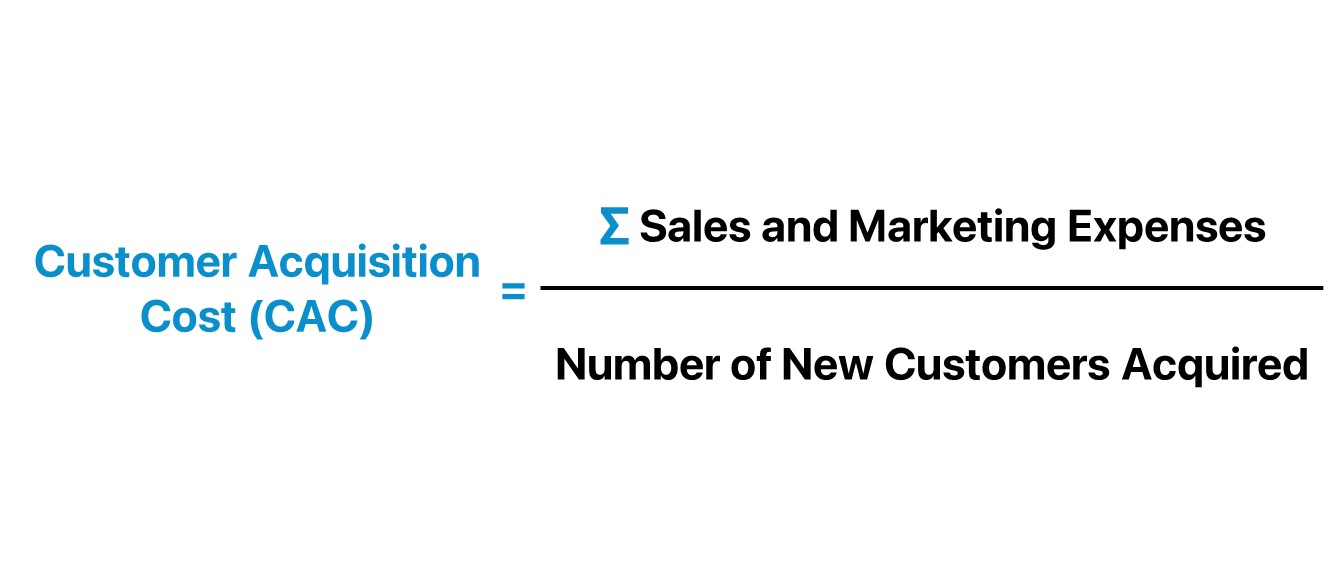
When first setting sales goals, determine how much it costs to onboard new customers. Lower numbers are better.
In SaaS, CAC needs to be less than three times the lifetime value of a customer because subscription-based models take time to show results. CAC consists of salaries and commission, outreach expenses, call costs, and technology costs.
Example: Lower customer acquisition cost by 9%.
This refers to the rate at which customers end relationships with a company. Reducing churn must be a key sales goal within sales strategy.
High churn means constantly stacking more new customers, which is never healthy. Avoid churn by prospecting for leads that fit your product and maintaining customer relationships even after deals close.
Example: Reduce quarterly customer churn to 3%.
Retaining customers is gold for any business. Loyal customers reward companies with improved lifetime value, decreased CAC, bigger budgets, quality leads, and referrals.
Retention builds LTV over time. The longer clients stay, the higher that LTV becomes. You can pay more to acquire them first using more expensive channels.
Example: Improve customer retention by 15% by end of year.
When customers are happy, you open opportunities for referrals, upsells, and cross-sells. This is gold because it helps sales costs decrease and improves conversion rates as these leads are always quality.
Track current customers' intent data from your CRM. If they have investigated new features on your website, reach out with your pitch.
Example: Increase monthly upsells and cross-sells by 5%.
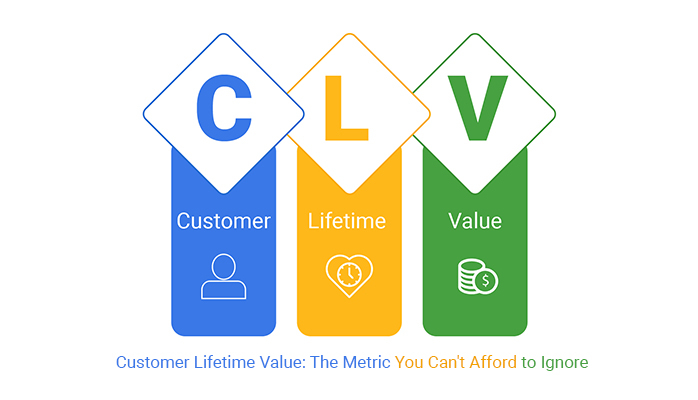
Your CLV is revenue a customer generates over a set period. You want CLV to be high, requiring investment in giving customers more value over time.
Update and improve your product to achieve this goal. Avoid offering too many discounts. This results in less pressure on net new business because you know customers will be around.
Example: Increase CLV by 10% year on year.
Simple but effective sales goal. If reps take too long on calls or put too much effort into prep without booking meetings, you have a problem.
Knowing this issue means you can implement new training and refocus reps on more valuable sales tasks. Time tracking reveals where effort is going versus what is producing results.
Example: Increase meetings booked by time to 50%.
Revenue targets must work with profit margins. If a team gives too many discounts one month, profit margins need to be boosted.
Double-check that pricing is fair by reviewing benchmark pricing against competitors. Cap the number of discounts your team is allowed to give out.
Example: Increase annual profit margins by 10%.
61% of GTM leaders invested more in enablement to achieve their sales goals in 2025, recognizing that targets without supporting infrastructure are just expectations.
81% of B2B leaders who deemed their sales negotiations successful systematically prepared reps rather than hoping for organic improvement. The preparation is what separates goals from wishes.
Goals set collaboratively with reps outperform goals handed down from leadership because the conversation produces better goals, not just more compliant ones. Reps know things about their territory, pipeline, and competitive situation that managers do not.
For B2B sales teams working to hit monthly sales goals and quarterly targets, Whistle provides training frameworks that teach SDRs how to execute the activities that produce the outcomes managers are measuring. Our approach recognizes that revenue goals depend on activity targets. Win rates improve through structured objection and competitive training. Retention and upsell require SDRs skilled in relationship-building beyond the initial close. Churn reduction begins with proper qualification to ensure the right-fit customers enter the pipeline.
We train teams to connect daily activities to monthly outcomes through systematic execution frameworks that turn sales targets into repeatable behaviors rather than hoping reps figure out the path themselves.